Why the ability to stay focused depends on sleep quality, not just willpower
Attention span is often treated as a matter of discipline. When focus slips, people assume they are distracted, unmotivated, or lacking self-control. The usual response is to push harder or remove distractions.
In reality, attention span is largely determined by sleep. The brain’s ability to sustain attention, resist distraction, and remain mentally stable over time depends on how well it has recovered overnight. When sleep is disrupted, attention naturally shortens — regardless of effort.
Attention Is a Limited Biological Resource
Attention is not infinite.
The brain allocates attention through neural systems that require energy, coordination, and stability. These systems fatigue with use and must be restored regularly.
Sleep is the primary period when this restoration occurs. Without it, attention capacity shrinks.
How Sleep Restores Sustained Attention
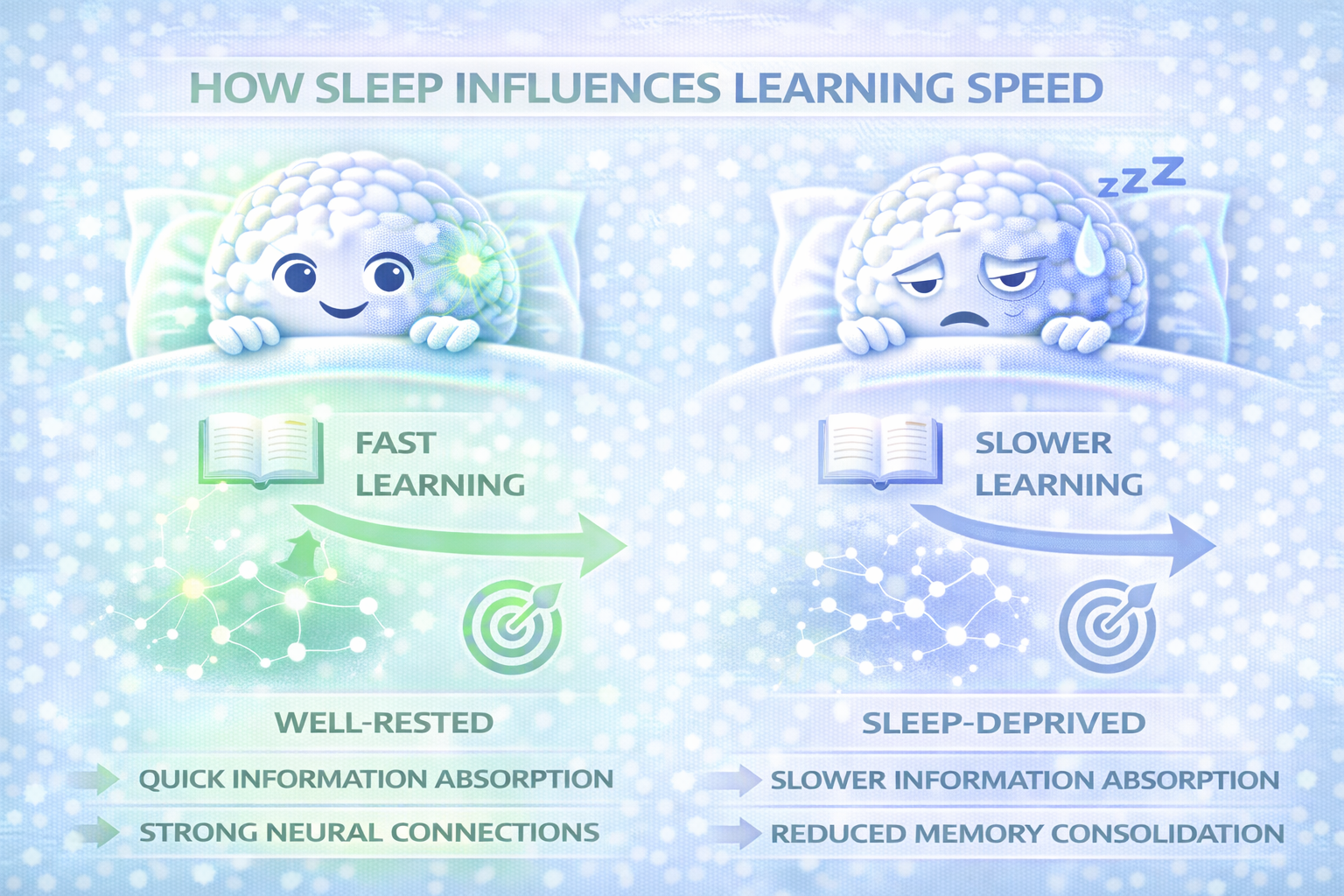
During sleep, the brain recalibrates attention-control networks.
Neural circuits responsible for maintaining focus are strengthened, while unnecessary background activity is reduced. This improves the brain’s ability to hold attention steady over time.
After good sleep, focus feels more stable and less effortful.
Sleep Deprivation and Shortened Attention Span
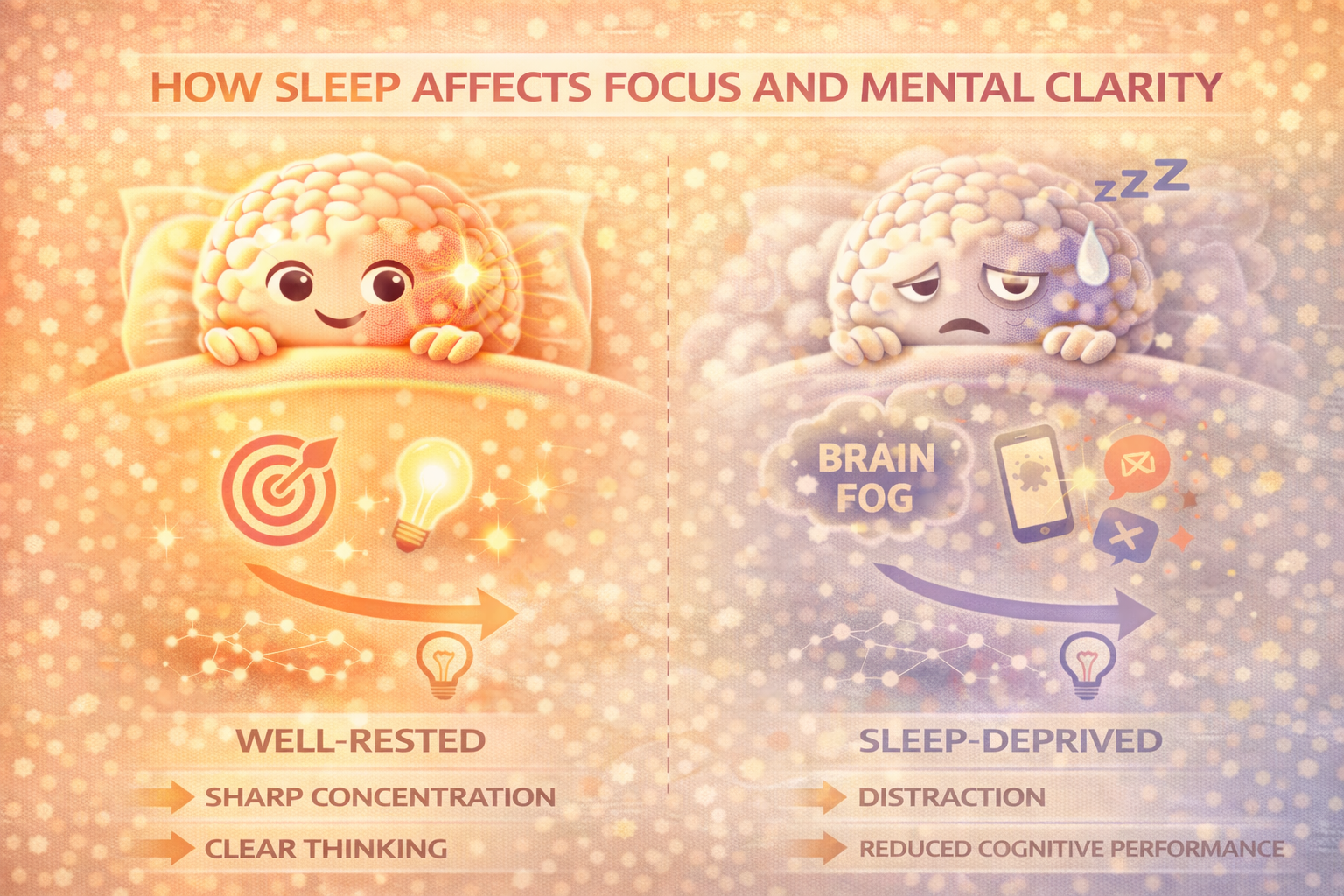
When sleep is reduced or fragmented, attention becomes fragile.
The brain struggles to maintain focus for extended periods, leading to frequent mental drifting, distraction, and task switching. Concentration breaks occur more quickly and more often.
This is why sleep-deprived individuals often feel restless or mentally scattered.
The Role of Deep Sleep in Attention Stability
Deep sleep supports neural synchronization.
This synchronization allows attention networks to operate efficiently the next day. When deep sleep is reduced, neural signaling becomes noisier, making sustained attention harder.
Even small losses of deep sleep can noticeably shorten attention span.
REM Sleep and Attentional Flexibility
REM sleep contributes to flexible attention.
It helps the brain switch focus smoothly between tasks and adapt to changing demands. This flexibility prevents mental rigidity and supports sustained engagement.
Disrupted REM sleep reduces this adaptability, increasing mental fatigue during prolonged tasks.
Why Attention Breaks Feel Sudden After Poor Sleep
Attention loss often feels abrupt rather than gradual.
This happens because sleep deprivation lowers the brain’s tolerance for cognitive load. Once capacity is exceeded, attention collapses quickly instead of tapering off.
Good sleep raises this threshold, allowing attention to persist longer.
Circadian Timing and Attention Span
Attention span fluctuates across the day.
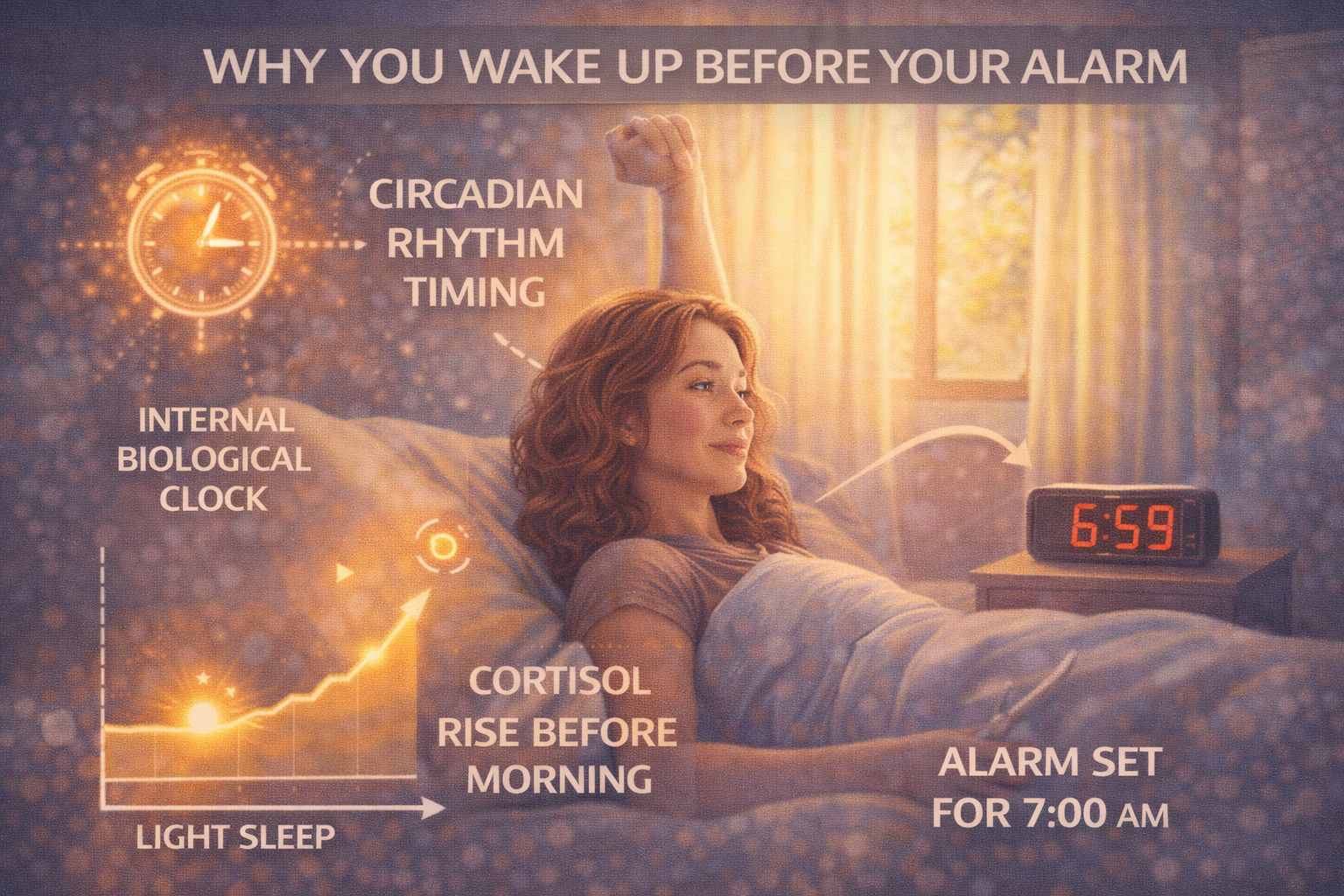
Circadian rhythm influences when the brain is biologically prepared to sustain focus. Misaligned sleep timing produces uneven alertness, shortening attention span during biologically low periods.
Even adequate sleep duration cannot fully compensate for poor timing.
Fragmented Sleep and Attention Lapses
Interrupted sleep increases attention lapses.
Micro-awakenings disrupt recovery cycles, leaving attention networks partially restored. This leads to brief but frequent lapses that reduce overall task performance.
Fragmented sleep often impairs attention more than short but continuous sleep.
Why Effort Cannot Extend Attention Without Sleep
Trying harder does not significantly extend attention span.
Effort can temporarily mask fatigue, but neural efficiency remains reduced. The brain consumes more energy to maintain focus, accelerating exhaustion.
Sustained attention requires recovery, not pressure.
Long-Term Effects of Poor Sleep on Attention
Chronic sleep disruption shortens attention span over time.
Frequent lapses become normalized, and sustained focus feels increasingly difficult. These changes are often mistaken for stress, aging, or attention disorders.
Restoring sleep quality often restores attention capacity.
The Core Idea to Remember
Attention span is shaped by sleep more than by discipline.
Sleep restores the neural systems that support sustained focus. Without it, attention naturally fragments, shortens, and becomes unstable.
If attention feels hard to maintain, the problem is often not focus itself — it is recovery.