Blog

  • How Sleep Affects Brain Detoxification

    How Sleep Affects Brain Detoxification

    Why deep, well-timed sleep is essential for clearing metabolic waste from the brain

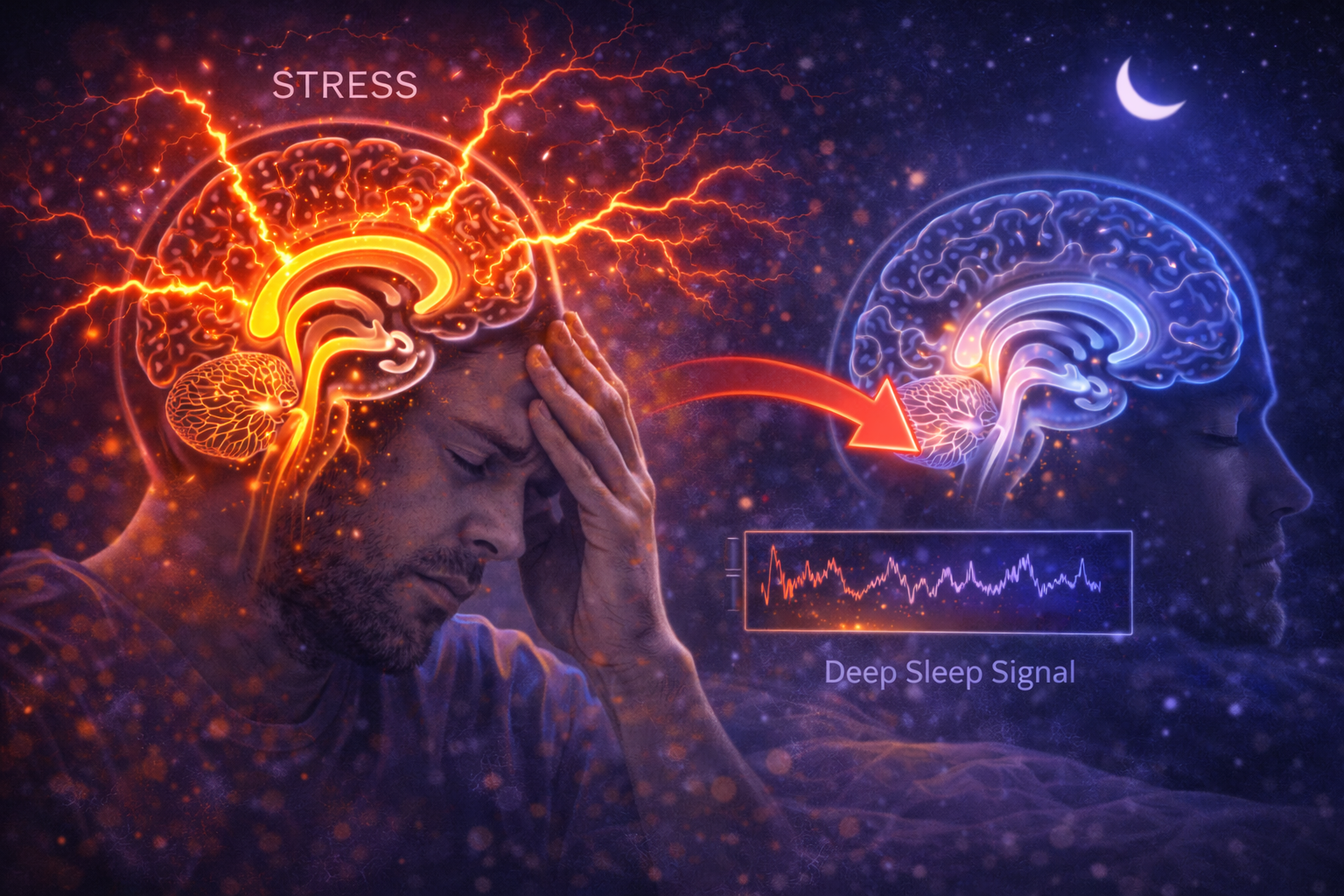
    Sleep is often described as a period of rest, but one of its most critical roles is far more active. During sleep, the brain engages in a vital maintenance process: clearing metabolic waste that accumulates during waking hours.

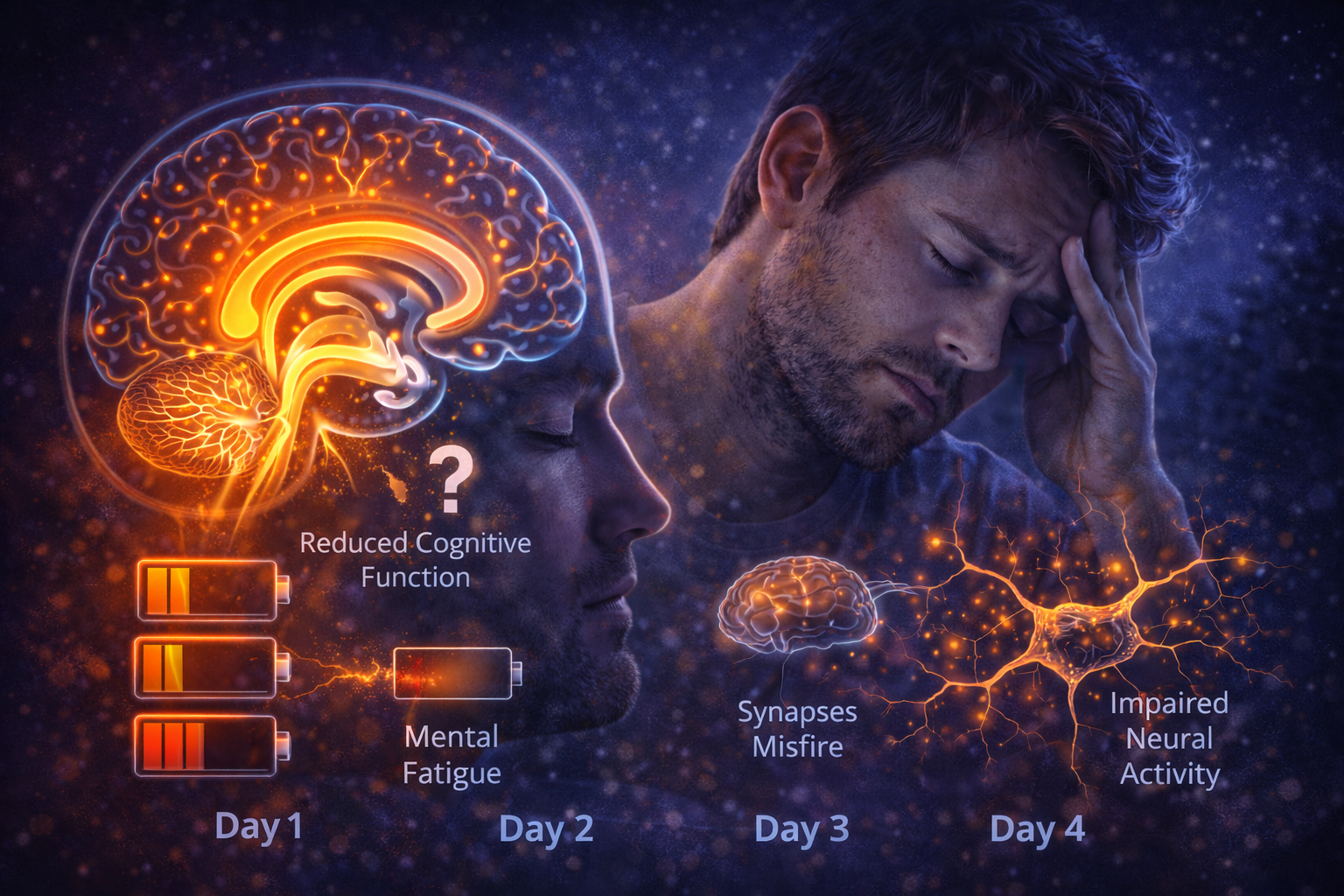
    When sleep is insufficient or poorly timed, this detoxification process becomes less efficient. Over time, waste products build up, contributing to mental fog, reduced cognitive performance, and long-term neurological strain. Understanding how sleep supports brain detoxification reveals why sleep quality matters as much as sleep duration.


    Why the Brain Needs Detoxification

    The brain is metabolically active.

    Every thought, movement, and decision produces waste products as a byproduct of neural activity. Unlike other organs, the brain lacks a traditional lymphatic system to clear this waste during waking hours.

    Instead, the brain relies on specialized processes that become active primarily during sleep. Without regular and efficient clearance, these byproducts accumulate and interfere with normal brain function.


    The Glymphatic System and Sleep

    Brain detoxification is carried out by a network known as the glymphatic system.

    This system allows cerebrospinal fluid to flow through brain tissue, flushing out metabolic waste and transporting it away for removal. During sleep, especially deep sleep, the space between brain cells expands, allowing this fluid movement to increase dramatically.

    When awake, glymphatic activity is significantly reduced. Sleep creates the conditions required for this system to operate effectively.


    Why Deep Sleep Matters Most

    Not all sleep stages contribute equally to detoxification.

    Deep sleep, also known as slow-wave sleep, is particularly important for glymphatic clearance. During this stage, neural activity slows, brain cells shrink slightly, and fluid flow increases.

    If deep sleep is shortened or fragmented, detoxification efficiency declines. Even long sleep durations may not compensate for a lack of sufficient deep sleep.


    Timing and Brain Cleaning Efficiency

    Detoxification is not only dependent on sleep stages but also on timing.

    The circadian rhythm influences when the brain is most prepared to enter deep sleep and initiate clearance processes. Sleeping during biological night supports deeper, more stable sleep architecture.

    Mistimed sleep — such as sleeping too late, too early, or during the day — can reduce the amount and quality of deep sleep, weakening detoxification even if total sleep time seems adequate.


    What Happens When Detoxification Is Disrupted

    When brain detoxification is impaired, the effects are often subtle at first.

    Common signs include:

    • mental fog

    • reduced concentration

    • slower thinking

    • headaches or pressure-like sensations

    Over time, chronic disruption may contribute to cognitive decline, emotional instability, and reduced resilience to stress.

    These symptoms are often mistaken for general fatigue or aging rather than impaired brain maintenance.


    Why Sleep Deprivation Amplifies Brain Waste

    Sleep deprivation dramatically reduces glymphatic activity.

    Without adequate sleep, waste products accumulate faster than they can be cleared. This buildup increases sleep pressure and contributes to the heavy, foggy feeling associated with prolonged wakefulness.

    The brain’s urgent need for sleep is, in part, a signal that detoxification has been delayed.


    Fragmented Sleep and Incomplete Cleaning

    Sleep fragmentation also interferes with brain detoxification.

    Frequent awakenings prevent sustained deep sleep, interrupting fluid flow through brain tissue. Even if total sleep time is sufficient, repeated interruptions reduce the effectiveness of clearance.

    This explains why fragmented sleep often feels unrefreshing and mentally draining.


    The Long-Term Importance of Regular Detoxification

    Brain detoxification is not a one-time process.

    It occurs nightly and supports long-term cognitive health. Consistently disrupted sleep may impair the brain’s ability to maintain a clean internal environment, increasing vulnerability to neurological stress over time.

    While research continues to explore long-term implications, the importance of sleep for brain maintenance is already clear.


    Supporting Brain Detoxification Through Sleep

    Supporting brain detoxification does not require extreme interventions.

    Consistent sleep timing, sufficient deep sleep, and alignment with the circadian rhythm all promote effective clearance. Reducing sleep disruption and protecting biological night allow the brain’s maintenance systems to function as intended.

    Sleep quality, not just quantity, is the foundation of this process.


    The Core Idea to Remember

    Sleep is essential for brain detoxification.

    During deep, well-timed sleep, the brain clears metabolic waste that cannot be removed efficiently while awake. When sleep is disrupted, mistimed, or fragmented, this cleaning process suffers — and cognitive clarity declines as a result.

    Protecting sleep means protecting the brain’s ability to maintain itself, night after night.

  • What Happens When You Sleep at the Wrong Time

    What Happens When You Sleep at the Wrong Time

    How mistimed sleep disrupts brain function even when duration seems adequate

    Most people think of poor sleep as sleeping too little. But many sleep problems come from something more subtle: sleeping at the wrong time. You can spend enough hours in bed and still wake up feeling foggy, drained, or emotionally off.

    When sleep occurs out of sync with the circadian rhythm, the brain cannot use those hours efficiently. The problem is not rest itself — it is timing. Sleeping at the wrong biological moment changes how the brain recovers, processes information, and regulates energy the next day.


    Sleep Is More Than Time Spent Asleep

    Sleep is not a passive state where recovery happens automatically.

    The brain follows a structured sequence of processes during the night. Hormone release, neural repair, memory consolidation, and metabolic regulation are all timed to occur during specific circadian windows.

    When sleep is mistimed, these processes still occur — but less efficiently. The same number of hours can deliver very different outcomes depending on when they happen.


    Circadian Rhythm and Biological Night

    The circadian rhythm defines a biological night that is not identical to clock time.

    During biological night, alertness drops, body temperature declines, and the brain becomes optimized for deep, restorative sleep. This window is determined by internal timing, not by social schedules.

    Sleeping outside this window means the brain is trying to recover while biological signals still promote wakefulness or early alertness.


    Why Sleep at the Wrong Time Feels Less Restorative

    When sleep is mistimed, deeper stages of sleep become harder to sustain.

    The brain may enter sleep, but transitions between sleep stages are more fragmented. Deep sleep can be shortened or delayed, and REM sleep may be altered.

    As a result, sleep feels lighter and less refreshing, even when duration appears sufficient.


    The Cognitive Effects of Mistimed Sleep

    Sleeping at the wrong time affects daytime brain function.

    Common effects include:

    • reduced attention and slower thinking

    • impaired memory formation

    • increased mental fatigue

    • difficulty sustaining focus

    These symptoms often resemble sleep deprivation, even when total sleep time is adequate. The brain is not fully restored because recovery occurred at a biologically suboptimal moment.


    Emotional Regulation and Timing

    Sleep timing also influences emotional processing.

    Mistimed sleep disrupts neural circuits involved in emotional regulation, making mood more volatile and stress responses stronger. Irritability, anxiety, and emotional sensitivity become more pronounced.

    This helps explain why people can feel emotionally “off” after nights that looked fine on paper.


    Why Sleeping During the Day Is Different

    Daytime sleep is often used to compensate for night work or late schedules.

    However, sleeping during daylight hours occurs when circadian signals promote alertness. Light exposure, elevated body temperature, and hormonal patterns all reduce sleep efficiency.

    Even long daytime sleep episodes rarely provide the same restorative benefit as well-timed nighttime sleep.


    Mistimed Sleep and Long-Term Fatigue

    Occasional mistimed sleep is manageable. Chronic mistiming is not.

    Repeatedly sleeping at the wrong time keeps the circadian rhythm in a state of conflict. Over time, this leads to persistent fatigue, brain fog, and reduced cognitive resilience.

    The body never fully adapts because internal signals remain inconsistent.


    Why Willpower Cannot Override Timing

    Many people attempt to compensate for mistimed sleep through discipline.

    Caffeine, rigid routines, or pushing through fatigue may temporarily mask symptoms, but they do not correct the underlying misalignment. Biological systems respond to timing cues, not effort.

    Without alignment, recovery remains incomplete.


    Restoring Alignment Matters More Than Sleeping Longer

    Fixing mistimed sleep is not primarily about adding hours.

    Improving timing consistency, light exposure, and alignment with biological night often restores sleep quality more effectively than extending sleep duration alone.

    The brain needs sleep at the right time to recover fully.


    The Core Idea to Remember

    Sleeping at the wrong time disrupts recovery even when sleep duration looks adequate.

    The brain is designed to restore itself during specific circadian windows. When sleep falls outside those windows, energy, focus, and emotional balance suffer.

    Sleep quality depends as much on when you sleep as on how long you sleep — and timing is a biological requirement, not a preference.

  • How Modern Life Disrupts Natural Sleep Cycles

    How Modern Life Disrupts Natural Sleep Cycles

    Why artificial environments confuse biological timing and undermine sleep quality

    Human sleep evolved under predictable conditions: bright days, dark nights, and relatively stable routines. For most of human history, the brain could rely on consistent environmental cues to regulate when to be alert and when to rest.

    Modern life has quietly dismantled many of those cues. Artificial light, irregular schedules, constant stimulation, and social demands have reshaped the environment faster than biology can adapt. As a result, natural sleep cycles are increasingly disrupted — not because people are doing something wrong, but because the signals guiding sleep have become distorted.


    What Natural Sleep Cycles Depend On

    Natural sleep cycles are governed by the circadian rhythm, the internal clock that synchronizes sleep and wakefulness with the day–night cycle.

    This system relies on clear signals, especially light exposure, darkness, and consistent timing. When these signals are reliable, the brain can predict when to initiate sleep-related processes and when to support alertness.

    When signals become inconsistent or misleading, the circadian rhythm loses precision.


    Artificial Light and the Loss of Darkness

    Artificial lighting is one of the most powerful disruptors of natural sleep cycles.

    Evening exposure to indoor lighting and screens delays the brain’s perception of night. This suppresses signals that normally promote sleep readiness and shifts internal timing later.

    Darkness once served as a clear biological boundary. In modern environments, that boundary is blurred or eliminated entirely, leaving the brain uncertain about when night truly begins.


    Screens and Constant Cognitive Stimulation

    Modern life extends wakefulness beyond biological readiness.

    Screens deliver not only light, but also continuous cognitive stimulation. Information, notifications, and emotional engagement keep alertness elevated when the brain should be winding down.

    This stimulation delays the transition into rest, even when physical fatigue is present. Sleep pressure builds, but alertness remains artificially high, creating a state of internal conflict.


    Irregular Schedules and Timing Instability

    Many modern schedules lack consistency.

    Work demands, social activities, shift work, and variable routines cause sleep and wake times to change frequently. These shifts prevent the circadian rhythm from stabilizing.

    The brain thrives on predictable patterns. When timing changes from day to day, the internal clock struggles to maintain alignment, weakening sleep quality and daytime energy.


    Social Expectations Versus Biological Timing

    Modern society favors productivity over biological rhythm.

    Early start times, long workdays, and social obligations often conflict with individual chronotypes. Many people are required to perform at times when their biology is least prepared.

    This mismatch forces the brain into chronic misalignment, reducing efficiency and increasing fatigue, even in those who appear to be functioning normally.


    Why Sleep Cycles Become Fragmented

    When circadian timing is disrupted, sleep cycles lose structure.

    Deep sleep may occur later or in shorter bursts. Nighttime awakenings become more frequent. Sleep feels lighter and less restorative, even if total duration seems adequate.

    Fragmentation is not random — it is a consequence of the brain receiving mixed signals about when sleep should occur.


    The Accumulation of Subtle Disruption

    The effects of modern sleep disruption are often gradual.

    Rather than dramatic insomnia, many people experience persistent tiredness, brain fog, and reduced resilience. These symptoms are frequently normalized or attributed to stress, aging, or lifestyle.

    In reality, they reflect a long-term erosion of circadian alignment caused by modern environments.


    Why Sleeping More Isn’t Enough

    Many people attempt to compensate by extending sleep duration.

    While extra sleep can reduce immediate fatigue, it does not correct disrupted timing. If sleep continues to occur at inconsistent or biologically inappropriate hours, the circadian rhythm remains unstable.

    Restoration requires alignment, not just additional hours in bed.


    Restoring Clarity to the Sleep Cycle

    Improving sleep in a modern environment does not require abandoning technology or social life.

    It requires restoring clarity to timing signals. Consistent wake times, meaningful daylight exposure, and reduced evening stimulation help re-anchor the circadian rhythm.

    Small, repeated cues are more effective than drastic changes.


    The Core Idea to Remember

    Modern life disrupts natural sleep cycles by distorting the signals the brain relies on to regulate rest.

    Artificial light, constant stimulation, and irregular schedules confuse biological timing, leading to fragmented sleep and unstable energy.

    Sleep problems are often not failures of discipline, but consequences of an environment that no longer aligns with human biology. Restoring timing clarity allows sleep to regain its natural rhythm.

  • The Best Time to Go to Bed According to Biology

    The Best Time to Go to Bed According to Biology

    Why the “right” bedtime depends on internal timing, not fixed clock hours

    People often ask what time they should go to bed, expecting a precise answer like 10:00 p.m. or 11:00 p.m. Bedtime advice is frequently presented as a universal rule, disconnected from individual biology.

    In reality, the best time to go to bed is not defined by the clock alone. It is determined by biological timing — specifically, how your circadian rhythm, sleep pressure, and chronotype interact. When bedtime aligns with these internal processes, sleep feels easier and more restorative. When it does not, sleep becomes forced and fragmented.


    Why There Is No Universal Bedtime

    Human sleep timing varies widely.

    Some people feel naturally sleepy early in the evening, while others remain alert well into the night. These differences are not habits or preferences; they reflect biological variation in circadian timing.

    A bedtime that works perfectly for one person may be biologically inappropriate for another. This is why rigid bedtime rules often fail, even when followed consistently.


    The Role of the Circadian Rhythm in Bedtime

    The circadian rhythm regulates when the brain transitions from alertness to readiness for sleep.

    As evening approaches, alertness gradually declines, body temperature begins to drop, and hormonal signals shift toward rest. This process unfolds on a schedule determined by the internal clock, not by social expectations.

    The optimal bedtime occurs when this biological transition is already underway. Going to bed too early or too late disrupts this process, making sleep harder to initiate and less efficient.


    Sleep Pressure and Its Interaction With Timing

    Sleep pressure builds the longer you stay awake.

    This pressure works together with the circadian rhythm to determine when sleep feels natural. When both systems align — sufficient sleep pressure and appropriate circadian timing — sleep onset is smooth.

    If sleep pressure is high but circadian timing is misaligned, falling asleep can still be difficult. This explains why extreme fatigue does not always guarantee easy sleep.


    How Chronotype Influences Ideal Bedtime

    Chronotype plays a major role in determining when bedtime feels right.

    Earlier chronotypes experience the biological transition to sleep earlier in the evening, while later chronotypes reach this transition much later. Forcing an early bedtime on a later chronotype often results in prolonged sleep onset and restless nights.

    Understanding chronotype helps explain why advice about early bedtimes works for some people and consistently fails for others.


    Why Going to Bed Too Early Backfires

    Going to bed before the brain is biologically ready can increase alertness rather than reduce it.

    When bedtime is imposed too early, sleep pressure may not be sufficient, and circadian signals may still promote wakefulness. The result is lying awake, increased frustration, and heightened cognitive activity.

    Over time, this pattern can condition the brain to associate bedtime with wakefulness instead of rest.


    Why Going to Bed Too Late Has Consequences

    Delaying bedtime beyond the biological window also carries costs.

    Staying awake past the natural sleep onset period often reduces sleep quality and shortens total sleep time. Late bedtimes can interfere with deep sleep distribution and increase morning grogginess, especially when wake-up times are fixed.

    Chronic late bedtimes also shift circadian timing further, making it progressively harder to fall asleep earlier in the future.


    How Modern Life Disrupts Biological Bedtime

    Artificial lighting, screens, and irregular schedules interfere with the brain’s ability to recognize nighttime.

    Even when biological readiness for sleep emerges, bright light and mental stimulation can delay the transition. This creates a gap between internal signals and actual bedtime, weakening sleep quality.

    Modern environments often encourage later bedtimes without adjusting wake-up times, amplifying circadian misalignment.


    Finding the Right Bedtime for Your Biology

    The best bedtime is one that aligns with both sleep pressure and circadian timing.

    Rather than focusing on a specific hour, observing patterns is more effective. When sleep onset feels easy and consistent, timing is likely aligned. When sleep feels forced or delayed, timing may be off.

    Biological bedtime often reveals itself through repeated cues, not through rigid rules.


    Why Consistency Matters More Than the Exact Hour

    Once a biologically appropriate bedtime is found, consistency becomes critical.

    Regular sleep timing strengthens circadian alignment and improves sleep efficiency. Small variations are tolerable, but frequent large shifts confuse the internal clock and reduce sleep quality.

    The brain values predictability more than precision.


    The Core Idea to Remember

    The best time to go to bed is not a fixed hour on the clock. It is the moment when biology signals readiness for sleep.

    When bedtime aligns with circadian timing, sleep feels natural and restorative. When it does not, effort increases and quality declines.

    Understanding bedtime through biology rather than rules allows sleep to become easier, deeper, and more reliable over time.

  • How to Support Natural Sleep Cycle

    How to Support Natural Sleep Cycle

    Why aligning with biological timing matters more than forcing sleep

    Many people try to improve sleep by focusing on techniques, routines, or products, yet continue to feel tired or out of sync. Bedtimes are forced, alarms are rigid, and sleep becomes something to control rather than something that happens naturally.

    Supporting the natural sleep cycle requires a different approach. Instead of forcing sleep, the goal is to align daily signals with the brain’s internal timing system. When this alignment is present, sleep becomes easier, deeper, and more restorative without excessive effort.


    What the Natural Sleep Cycle Actually Is

    The natural sleep cycle is governed by the circadian rhythm, the internal clock that organizes sleep and wakefulness across a roughly 24-hour period.

    This cycle regulates when sleep pressure builds, when alertness fades, and when the brain is biologically prepared to rest. It also coordinates hormone release, body temperature changes, and neural activity patterns that support sleep depth and recovery.

    When the circadian rhythm is stable, sleep unfolds smoothly. When it is disrupted, sleep becomes fragmented, delayed, or unrefreshing.


    Why the Brain Needs Clear Timing Signals

    The circadian system relies on consistent external cues to stay aligned.

    Light exposure, regular wake times, and predictable daily routines act as signals that tell the brain what time it is. When these cues are clear and consistent, the internal clock remains synchronized.

    When cues are weak, conflicting, or irregular, the brain struggles to determine when to initiate sleep-related processes, making rest feel effortful instead of automatic.


    The Role of Wake-Up Time in Sleep Regulation

    Wake-up time plays a central role in shaping the sleep cycle.

    A consistent wake-up time anchors the circadian rhythm and helps regulate when sleep pressure builds later in the day. Even when bedtime varies slightly, a stable wake time allows the internal clock to recalibrate.

    In contrast, irregular wake-up times weaken circadian alignment and delay the natural onset of sleep, often leading to late nights and fragmented rest.


    How Light Exposure Supports the Sleep Cycle

    Light is the strongest signal the circadian rhythm uses to stay synchronized.

    Exposure to daylight during the morning and early afternoon reinforces alertness and anchors the internal clock. As light fades in the evening, the brain begins preparing for rest.

    Excessive evening light, especially artificial lighting and screens, can delay this transition by signaling daytime to the brain at the wrong moment. Supporting the natural sleep cycle involves respecting this light–dark contrast.


    Why Forcing Sleep Often Backfires

    Trying to force sleep through early bedtimes or strict rules often increases frustration.

    Sleep is not an action the brain performs on command. It is a state that emerges when timing, pressure, and environment align. When bedtime is imposed before the brain is ready, alertness remains high and sleep feels elusive.

    Supporting the sleep cycle means allowing sleep to arrive naturally rather than attempting to control it directly.


    Consistency Over Intensity

    Many people overestimate the impact of isolated sleep efforts.

    A single early night or a strict routine followed inconsistently does little to support circadian alignment. The brain responds to repeated patterns, not isolated actions.

    Small but consistent timing behaviors—especially around wake-up time and light exposure—are more effective than dramatic but short-lived changes.


    How Stress and Stimulation Interfere with Sleep Timing

    Stress does not just affect sleep quality; it affects sleep timing.

    Mental stimulation, emotional arousal, and cognitive load late in the day can delay the brain’s transition into rest. Even when physical fatigue is present, heightened alertness can override sleep pressure.

    Supporting the natural sleep cycle involves creating predictable periods of reduced stimulation that allow alertness to decline gradually.


    Why the Body Resists Rapid Schedule Changes

    The circadian rhythm adapts slowly.

    Rapid shifts in sleep timing, such as sudden early bedtimes or drastic schedule changes, often fail because the internal clock cannot adjust at the same pace. This mismatch leads to temporary insomnia, fragmented sleep, and daytime fatigue.

    Gradual alignment, rather than abrupt change, respects the biological limits of the timing system.


    Letting the Sleep Cycle Stabilize Naturally

    Once consistent signals are in place, the sleep cycle begins to stabilize on its own.

    Sleep pressure builds more predictably, sleep onset becomes easier, and deeper stages of sleep emerge more reliably. Over time, this stability improves both nighttime rest and daytime energy.

    The key is not perfection, but predictability the brain can learn.


    The Core Idea to Remember

    Supporting the natural sleep cycle means working with biology instead of fighting it.

    Sleep becomes easier when timing cues are clear, consistent, and aligned with the circadian rhythm. Forcing sleep rarely works, but creating the conditions for sleep allows it to emerge naturally.

    When the internal clock is supported, rest no longer feels like a struggle—it becomes a biological response to the right signals.

  • How Long It Takes to Fix a Broken Sleep Schedule

    How Long It Takes to Fix a Broken Sleep Schedule

    Why resetting sleep timing is slower than expected—and why patience matters

    When sleep schedules fall apart, the instinctive question is simple: How long will it take to fix this?
    After weeks or months of late nights, irregular wake-ups, or shifting routines, many people expect recovery to happen within a few good nights of sleep.

    In reality, restoring a broken sleep schedule is not an overnight process. It involves retraining the brain’s internal timing system—a process that follows biological rules, not motivation or effort.


    What a “Broken” Sleep Schedule Really Means

    A sleep schedule is considered broken when sleep and wake times no longer follow a stable pattern.

    This can happen due to late nights, rotating schedules, travel, illness, stress, or extended periods of inconsistent routines. Over time, the circadian rhythm loses its ability to predict when sleep should occur.

    The issue is not just missed sleep. It is a loss of timing clarity. The brain no longer knows when to prepare for rest or when to support alertness.


    Why Sleep Timing Can’t Reset Instantly

    The circadian rhythm does not respond like a switch.

    It adjusts gradually based on repeated cues, especially light exposure and consistent wake times. When sleep schedules shift suddenly, the internal clock moves slowly in response.

    This answer explains why one or two early nights rarely fix the problem. The brain needs repeated confirmation that the new timing is reliable before fully adapting.


    The Typical Timeline for Repairing Sleep Timing

    For most people, meaningful improvement takes one to three weeks of consistent timing.

    Small shifts—such as going to bed 30–60 minutes earlier—may feel easier to tolerate but still require several days to stabilize. Larger shifts can take longer, especially when the schedule was disrupted for months.

    The exact timeline depends on factors such as chronotype, light exposure, and how irregular the schedule became. There is no universal reset point.


    Why Some People Recover Faster Than Others

    Not everyone resets at the same pace.

    Morning-oriented chronotypes tend to adjust earlier more easily, while evening-oriented individuals often experience slower adaptation. Stress levels, age, and environmental light exposure also influence recovery speed.

    This variation explains why some people feel better within days while others struggle for weeks despite similar efforts.


    Why “Catching Up on Sleep” Doesn’t Fix Timing

    Sleeping longer can reduce sleep pressure, but it does not automatically correct circadian misalignment.

    If extended sleep occurs at inconsistent or biologically inappropriate times, the internal clock remains unstable. The brain may feel less exhausted but still out of sync.

    Timing consistency—not sleep duration—is what teaches the circadian system when to reset.


    The Role of Consistency in Repair

    Consistency is the most important factor in restoring a broken sleep schedule.

    Regular wake-up times provide a strong anchor for the internal clock. When wake time stabilizes, bedtime often begins to shift naturally in response.

    Frequent changes, even with good intentions, slow the adaptation process by sending mixed signals to the brain.


    Why the Process Often Feels Worse Before It Feels Better

    During the adjustment phase, people often feel temporarily worse.

    Sleep may feel lighter, fatigue may increase, and alertness can fluctuate unpredictably. This is a normal sign that the circadian rhythm is reorganizing.

    Abandoning consistency during this phase resets progress. Improvement often arrives gradually rather than dramatically.


    Why Discipline Alone Isn’t Enough

    Forcing early bedtimes rarely accelerates recovery.

    The circadian rhythm responds to timing cues, not pressure. Trying to sleep before the brain is ready often leads to frustration and insomnia-like symptoms.

    Allowing sleep to realign naturally—guided by consistent wake times and stable routines—is more effective than forcing rest.


    How Long “Long-Term” Really Is

    For deeply disrupted schedules, full stabilization can take several weeks.

    This does not mean constant exhaustion for weeks. It means that internal timing continues to fine-tune even after sleep begins to feel more normal.

    Understanding this prevents unrealistic expectations and reduces the tendency to abandon the process prematurely.


    The Core Idea to Remember

    Fixing a broken sleep schedule takes time because the circadian rhythm changes slowly.

    The brain needs repeated, consistent signals to relearn when sleep should occur. Short-term improvements are possible, but full alignment unfolds over weeks, not days.

    Patience is not a personal virtue here—it is a biological requirement. When timing is respected, recovery follows.

  • Why Your Body Needs a Sleep Routine

    Why Your Body Needs a Sleep Routine

    How consistent timing helps the brain anticipate rest and recover more efficiently

    Many people think of a sleep routine as a matter of discipline or habit. Going to bed at the same time is often framed as something you should do, not something your body actively depends on.

    In reality, a sleep routine is not about rules or self-control. It is about giving the brain reliable timing information. When sleep happens at predictable hours, the body can prepare for rest in advance. When timing constantly changes, recovery becomes less efficient — even if total sleep time seems adequate.


    The Brain Prepares for Sleep Before You Fall Asleep

    Sleep does not begin the moment you lie down.

    Hours before bedtime, the brain starts shifting into a different physiological state. Hormone release, body temperature, and neural activity gradually change in anticipation of rest. This preparation is guided by the circadian rhythm and reinforced by consistent timing.

    When bedtime is predictable, the brain knows when to start this transition. When it is irregular, the preparation phase becomes confused or incomplete.


    Why Consistency Matters More Than Perfection

    A sleep routine does not require extreme precision.

    What matters is relative consistency — going to bed and waking up within a stable window most days. This consistency allows the circadian system to synchronize internal processes efficiently.

    Large variations in timing, even when sleep duration remains the same, disrupt this synchronization. The brain cannot anticipate rest reliably, which reduces sleep quality and increases the effort required to fall asleep.


    How a Sleep Routine Strengthens the Circadian Rhythm

    The circadian rhythm relies on repeated signals to stay stable.

    Regular sleep timing acts as one of the strongest cues the brain receives. When this cue is consistent, the internal clock becomes sharper and more predictable. Alertness rises and falls smoothly, and sleep pressure builds at the right pace.

    Without a routine, the circadian rhythm drifts. Hormonal signals lose precision, and the boundary between day and night becomes blurred.


    Why Irregular Routines Make Falling Asleep Harder

    Many people struggle to fall asleep not because they are insufficiently tired, but because their brain is not expecting sleep.

    When bedtime changes frequently, the brain remains in an alert state longer than necessary. Sleep pressure builds unevenly, and the transition into rest feels forced rather than natural.

    This is why inconsistent routines often lead to prolonged sleep onset, restless nights, and a feeling of fighting sleep instead of easing into it.


    The Impact of Routine on Sleep Quality

    Sleep quality depends on timing as much as duration.

    When sleep occurs at biologically appropriate and consistent times, deeper stages of sleep emerge more efficiently. Fragmentation decreases, and recovery processes function more effectively.

    In contrast, irregular routines often lead to lighter, more disrupted sleep, even when the number of hours appears sufficient. The difference is not visible on the clock, but it is felt the next day.


    Why the Body Resists Constant Schedule Changes

    The human body evolved in environments where daily timing was relatively stable.

    Rapid shifts in sleep schedules — late nights followed by early mornings, weekday–weekend swings — challenge this system. Each shift forces the circadian rhythm to re-adjust, increasing biological effort and reducing efficiency.

    Over time, this constant re-adjustment contributes to fatigue, reduced focus, and a sense that sleep never fully restores energy.


    Sleep Routine and Daytime Energy

    A stable sleep routine does not only improve nights. It shapes days.

    When the brain can predict sleep timing, daytime alertness becomes more consistent. Energy dips become more predictable, focus improves, and emotional regulation becomes easier.

    This is why people with stable routines often report feeling more “balanced,” even without sleeping longer than others.


    Why Willpower Cannot Replace Routine

    Many people attempt to compensate for poor routines with discipline.

    They force earlier bedtimes, rely on caffeine, or push through fatigue. While these strategies may temporarily override symptoms, they do not replace the biological benefits of consistency.

    The circadian system adapts to patterns, not intentions. Without a routine, effort alone cannot restore alignment.


    Building a Routine the Brain Can Learn

    A sleep routine works best when it is simple and repeatable.

    The goal is not rigid control, but regular signals the brain can recognize. Even partial consistency — especially in wake-up time — helps stabilize internal timing.

    Once the brain learns when rest is coming, sleep becomes less effortful and more restorative.


    The Core Idea to Remember

    Your body needs a sleep routine because it relies on timing to function efficiently.

    Consistency allows the brain to prepare for rest, deepen recovery, and regulate energy throughout the day. Without it, sleep becomes harder, lighter, and less refreshing — even when you spend enough hours in bed.

    A sleep routine is not about discipline. It is about giving your biology the predictability it needs to work well.

  • Why You Feel Jet-Lagged Without Traveling

    Why You Feel Jet-Lagged Without Traveling

    How disrupted circadian timing can mimic the effects of crossing time zones

    Feeling jet-lagged is usually associated with long flights and distant time zones. Yet many people experience the same mental fog, fatigue, and disorientation without ever leaving home. Waking up groggy, struggling to focus during the day, and feeling alert at the wrong hours can feel strangely similar to post-travel exhaustion.

    This experience is not imaginary. Feeling jet-lagged without traveling is a real biological phenomenon caused by disrupted circadian timing. When the brain’s internal clock loses alignment with daily routines and environmental cues, it produces effects nearly identical to classic jet lag.


    What Jet Lag Really Is

    Jet lag occurs when the circadian rhythm becomes misaligned with the local day–night cycle.

    After crossing time zones, the brain continues to operate on the timing of the previous location. Hormone release, alertness patterns, and sleep pressure follow the old schedule, even though the environment has changed.

    This mismatch between internal timing and external reality is what creates jet lag symptoms — not travel itself.


    Why You Can Feel Jet-Lagged at Home

    You do not need an airplane to disrupt circadian timing.

    Irregular sleep schedules, late nights followed by early mornings, inconsistent light exposure, and shifting routines can all confuse the internal clock. When these disruptions accumulate, the brain struggles to maintain a stable sense of time.

    The result is a state of internal desynchronization that feels remarkably similar to crossing time zones.


    The Role of Social Jet Lag

    A common cause of jet-lag-like symptoms is something known as social jet lag.

    Social jet lag occurs when sleep timing differs significantly between workdays and free days. Late nights and late wake-ups on weekends followed by early schedules during the week force the circadian system to constantly shift back and forth.

    Although no travel is involved, the brain experiences repeated timing changes that resemble frequent east–west flights, leading to persistent fatigue and cognitive disruption.


    Light Exposure and Circadian Confusion

    Light is the strongest signal the circadian rhythm uses to stay synchronized.

    Late-night screen use, bright indoor lighting in the evening, and insufficient daylight exposure in the morning weaken the brain’s ability to anchor itself to a stable schedule. When light cues become inconsistent, internal timing drifts.

    This drift contributes to delayed alertness, poor sleep quality, and the sensation of being out of sync with the day.


    Why Jet-Lag-Like Fatigue Feels So Disorienting

    Circadian misalignment affects more than sleep.

    When internal timing is disrupted, attention, reaction time, memory, and emotional regulation all suffer. Tasks that normally feel automatic require more effort, and mental clarity becomes unreliable.

    This explains why jet-lag-like states often feel mentally heavier than simple tiredness. The brain is not just fatigued — it is temporally confused.


    Why Sleeping More Doesn’t Fully Fix the Problem

    A common response to feeling jet-lagged is to sleep longer.

    While additional sleep can reduce short-term sleep pressure, it does not automatically correct circadian misalignment. If sleep occurs at inconsistent or biologically inappropriate times, the internal clock remains unstable.

    As a result, people may sleep more yet continue to feel foggy, unfocused, and out of sync.


    How Chronic Jet-Lag-Like States Accumulate

    Occasional circadian disruption is manageable. Chronic disruption is not.

    When timing instability persists, the brain never fully adapts. Hormonal rhythms remain fragmented, recovery becomes less efficient, and energy levels fluctuate unpredictably.

    Over time, this chronic jet-lag-like state contributes to ongoing fatigue, reduced cognitive performance, and diminished resilience to stress.


    Restoring a Sense of Internal Time

    Reducing jet-lag-like symptoms begins with restoring timing consistency.

    The circadian system responds best to predictable cues: regular wake-up times, consistent light exposure, and stable daily routines. Even small improvements in timing regularity can significantly reduce feelings of disorientation and fatigue.

    The goal is not rigid control, but clarity for the internal clock.


    The Core Idea to Remember

    Feeling jet-lagged without traveling is a sign of circadian misalignment, not a personal failure.

    When internal timing becomes unstable, the brain experiences the same confusion it would after crossing time zones. Energy, focus, and sleep quality suffer as a result.

    Understanding this connection helps reframe persistent fatigue as a timing issue — and timing, unlike motivation, is something biology can gradually relearn.

  • Why Early Wake-Ups Feel So Brutal

    Why Early Wake-Ups Feel So Brutal

    How biological timing makes early mornings feel harder than they should

    For many people, early wake-ups feel disproportionately painful. The alarm goes off, the body feels heavy, the mind is foggy, and even simple tasks require effort. It often feels as if something is fundamentally wrong — especially when others seem to function just fine at the same hour.

    This experience is commonly blamed on poor sleep habits or lack of discipline. In reality, early wake-ups often feel brutal because they occur at the wrong biological moment. The problem is not weakness. It is timing.


    Waking Up Is a Biological Transition

    Waking up is not an instant switch from sleep to alertness. It is a gradual biological transition.

    During sleep, the brain moves through different stages, each with distinct patterns of neural activity and hormone regulation. When the alarm interrupts this process too early, the brain is forced into wakefulness before it has completed its natural transition.

    This incomplete transition is a major reason early wake-ups feel disorienting, slow, and uncomfortable.


    Sleep Inertia and Morning Grogginess

    One of the main contributors to brutal mornings is sleep inertia.

    Sleep inertia refers to the period of reduced alertness, impaired thinking, and sluggish reaction time that occurs immediately after waking. It is strongest when waking happens during deeper stages of sleep or at a circadian low point.

    Early wake-ups often coincide with both conditions, intensifying the sensation of mental fog and physical heaviness.


    The Role of Circadian Timing

    The circadian rhythm plays a central role in how wake-ups feel.

    For many people, especially those with later chronotypes, the early morning hours fall within a biological low point. At this time, alertness is still suppressed, body temperature is low, and cognitive readiness has not fully emerged.

    When wake-up times are imposed during this window, the brain is biologically unprepared to function efficiently, regardless of how motivated the person may be.


    Why Early Wake-Ups Feel Worse Than Late Nights

    Interestingly, many people tolerate late nights better than early mornings.

    This asymmetry occurs because staying awake later often aligns with rising alertness in later chronotypes, while waking early forces alertness before it naturally develops. The brain can resist sleep more easily than it can accelerate wakefulness.

    As a result, early wake-ups tend to feel harsher than equivalent reductions in sleep achieved by staying up late.


    Sleep Duration Isn’t the Whole Story

    It is possible to sleep enough hours and still feel terrible after waking early.

    Sleep quality depends not only on duration but on timing. When sleep occurs at biologically appropriate hours, restorative processes unfold more efficiently. When sleep is shifted earlier than the internal clock prefers, recovery is compromised.

    This explains why some people feel better after fewer hours of well-timed sleep than after longer periods of poorly timed rest.


    Why Repeated Early Wake-Ups Accumulate Fatigue

    Occasional early mornings are manageable. Chronic early wake-ups are not.

    Repeated misalignment between wake-up time and biological readiness leads to cumulative fatigue. The brain expends additional energy each morning to overcome its natural timing, leaving fewer cognitive resources available for the rest of the day.

    Over time, this accumulation contributes to persistent tiredness, reduced focus, and increased emotional strain.


    Why Willpower Doesn’t Make Mornings Easier

    Many people attempt to overcome brutal mornings through discipline, caffeine, or rigid routines.

    While these strategies may temporarily mask symptoms, they do not address the underlying timing mismatch. Biological systems respond to consistent timing cues, not pressure or motivation.

    Forcing alertness before the brain is ready increases cognitive effort rather than efficiency, making mornings feel even more draining.


    Reducing the Impact of Early Wake-Ups

    Not all early wake-ups can be avoided, but their impact can be reduced.

    Understanding that morning difficulty is biological rather than personal helps set realistic expectations. Small adjustments in timing consistency, light exposure, and task scheduling can ease the transition from sleep to wakefulness.

    The goal is not to eliminate early mornings entirely, but to reduce the friction between biological timing and external demands.


    The Core Idea to Remember

    Early wake-ups feel brutal because they often occur before the brain is biologically ready to be awake.

    This experience is not a failure of discipline or motivation. It is a consequence of circadian timing, sleep inertia, and the brain’s natural transition from rest to alertness.

    Recognizing the role of timing transforms how mornings are interpreted — and opens the door to working with biology rather than fighting it.

  • Why Irregular Sleep Schedules Are So Harmful

    Why Irregular Sleep Schedules Are So Harmful

    How inconsistent timing quietly disrupts brain function, energy, and recovery

    Many people focus on how many hours they sleep, assuming that duration is the key factor for feeling rested and healthy. Bedtimes change, wake-up times shift, and schedules fluctuate from day to day — often without much concern.

    Yet the brain does not experience sleep as isolated nights. It experiences sleep as a pattern. When that pattern becomes irregular, the consequences extend far beyond feeling tired. Irregular sleep schedules quietly disrupt the body’s internal timing system, undermining energy, focus, and long-term health.


    Sleep Is a Timing System, Not Just a Rest Period

    Sleep is regulated by the circadian rhythm, the internal clock that organizes alertness, hormone release, body temperature, and cognitive performance across the day.

    This timing system depends on consistency. When sleep and wake times occur at predictable hours, the brain can anticipate transitions between activity and rest. When timing shifts unpredictably, that anticipation breaks down.

    Irregular schedules confuse the brain about when to be alert and when to recover, reducing the efficiency of both states.


    What Counts as an Irregular Sleep Schedule

    An irregular sleep schedule does not require extreme behavior.

    Common examples include:

    • large differences between weekday and weekend sleep times

    • inconsistent bedtimes from night to night

    • rotating work schedules

    • frequently staying up late and “catching up” later

    Even shifts of one to two hours can disrupt circadian timing when they occur repeatedly. The brain interprets these changes as conflicting signals rather than flexibility.


    How Irregular Timing Disrupts the Circadian Rhythm

    The circadian rhythm relies on external cues — especially light exposure and consistent sleep timing — to stay synchronized.

    When sleep schedules change frequently, the internal clock cannot stabilize. Hormonal signals related to alertness and sleep pressure begin to drift, creating mismatches between biological readiness and external demands.

    This disruption affects not only sleep quality but also daytime cognitive performance, reaction time, and emotional regulation.


    Why Irregular Sleep Reduces Sleep Quality

    Irregular sleep schedules often lead to lighter, more fragmented sleep.

    Because the brain cannot predict sleep onset reliably, it struggles to enter deeper restorative stages efficiently. Sleep may feel long enough but less refreshing, with frequent awakenings or reduced deep sleep.

    Over time, this erosion of sleep quality accumulates, even when total sleep hours appear adequate on paper.


    The Cognitive Cost of Inconsistent Sleep Timing

    The brain performs best when timing is stable.

    Irregular sleep schedules are associated with:

    • reduced attention and focus

    • slower reaction times

    • impaired memory consolidation

    • increased mental fatigue

    These effects are not always dramatic from one night to the next, but they compound over time. Many people attribute declining focus or motivation to stress or aging, when timing instability is a major contributing factor.


    Why “Sleeping In” Doesn’t Fix the Problem

    A common response to irregular sleep is compensatory rest — sleeping in on days off to recover lost sleep.

    While this may reduce short-term sleep pressure, it often worsens circadian misalignment. Large shifts in wake time delay the internal clock further, making it harder to fall asleep at a consistent hour afterward.

    The result is a cycle of late nights, late mornings, and ongoing disruption that never fully resolves.


    Irregular Sleep and Emotional Regulation

    Timing instability affects more than cognition.

    Irregular sleep schedules are linked to increased emotional reactivity, reduced stress tolerance, and greater difficulty regulating mood. When circadian signals fluctuate unpredictably, emotional processing becomes less stable.

    This helps explain why inconsistent sleep often coincides with irritability, anxiety, or a persistent sense of being overwhelmed.


    Why the Brain Prefers Consistency Over Flexibility

    Although flexibility sounds beneficial, the brain values predictability.

    Consistent sleep timing allows internal systems to coordinate efficiently. Hormones are released at the right moments, energy rises and falls smoothly, and recovery processes occur when expected.

    Irregular schedules force the brain to constantly re-adjust, increasing biological effort and reducing overall efficiency.


    Reducing the Harm of Irregular Sleep Schedules

    Improving sleep timing does not require perfection.

    Even modest increases in consistency — such as stabilizing wake-up time or narrowing bedtime variation — can significantly reduce circadian disruption. The goal is not rigid control, but dependable patterns the brain can learn and anticipate.

    Consistency creates clarity for the internal clock, and clarity improves both sleep quality and daytime function.


    The Core Idea to Remember

    Irregular sleep schedules are harmful not because they reduce sleep hours, but because they disrupt timing.

    The brain depends on stable rhythms to function efficiently. When sleep timing becomes unpredictable, energy, focus, and emotional balance suffer — often quietly and gradually.

    Protecting sleep consistency is one of the most effective ways to support long-term cognitive performance and well-being, even without increasing total sleep time.