Category: Sleep Science

  • How Sleep Influences Emotional Memory

    How Sleep Influences Emotional Memory

    Why sleep shapes how emotional experiences are stored and recalled

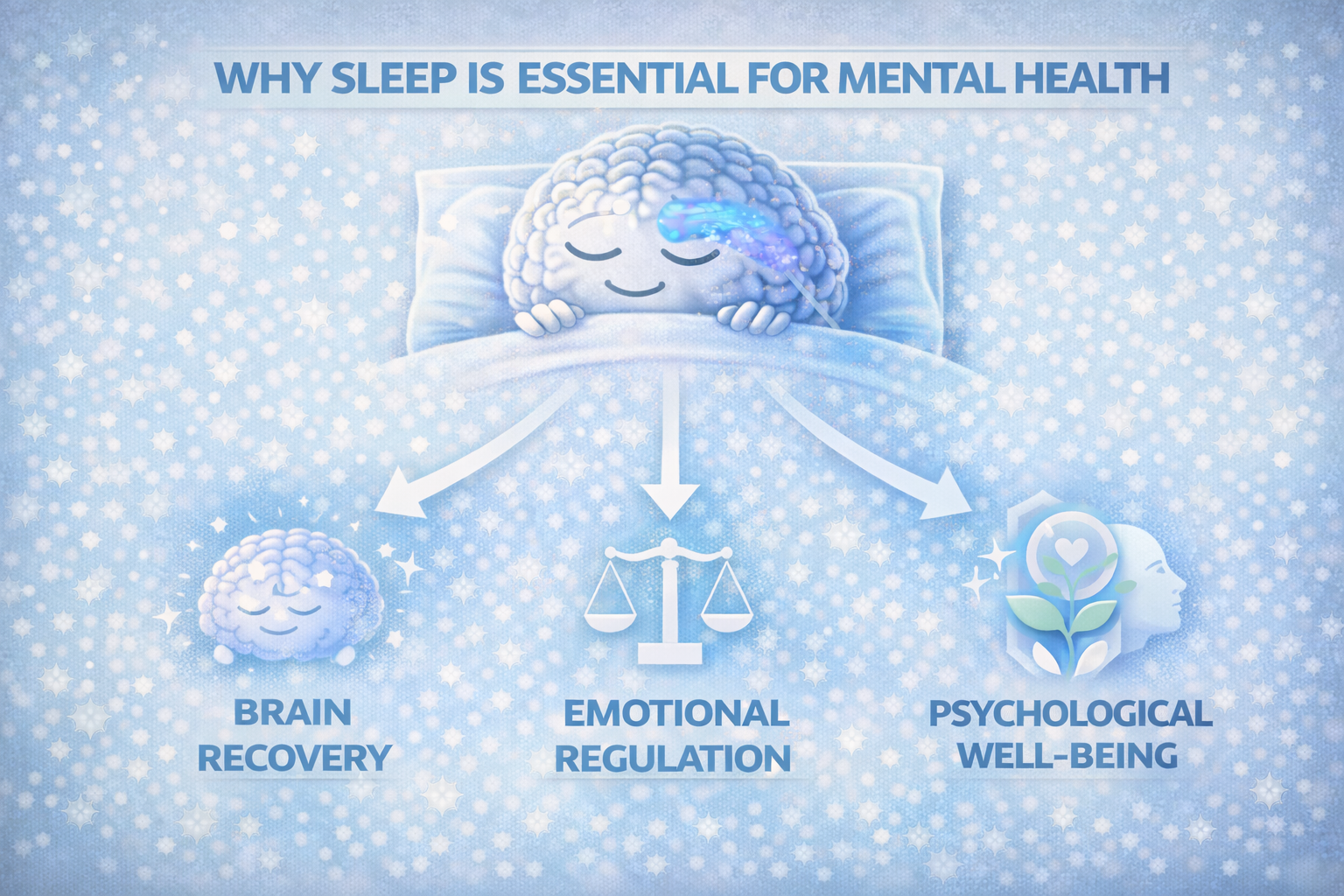
    Emotional memories tend to stand out. They feel stronger, more vivid, and often harder to forget than neutral experiences. While emotion is part of this process, sleep plays a critical role in determining how these memories are processed, stored, and later recalled.

    Sleep does not simply preserve emotional memories. It actively reshapes them — stabilizing what matters while reducing emotional intensity. When sleep is disrupted, this process becomes unbalanced, affecting both memory accuracy and emotional regulation.


    What Emotional Memory Really Is

    Emotional memory refers to how the brain encodes and recalls experiences with emotional significance.

    These memories involve close interaction between memory systems and emotional processing regions. Because of this interaction, emotional memories are more sensitive to how sleep unfolds.

    Sleep determines whether emotional experiences are integrated calmly or remain emotionally charged.


    Why Sleep Is Essential for Emotional Processing

    During sleep, the brain processes emotional experiences without external demands.

    This offline state allows emotional memories to be re-evaluated, reorganized, and linked with existing knowledge. The brain can separate emotional intensity from factual content, preserving meaning while reducing reactivity.

    Without sufficient sleep, this regulation remains incomplete.


    The Role of REM Sleep in Emotional Memory

    REM sleep plays a central role in emotional memory processing.

    During REM, emotional experiences are reactivated in a low-stress chemical environment. This allows the brain to integrate emotional memories without triggering full emotional responses.

    Disrupted REM sleep leaves emotional memories poorly processed, increasing emotional sensitivity and reactivity the next day.


    Deep Sleep and Emotional Stability

    Deep sleep supports emotional stability.

    While REM sleep processes emotional content, deep sleep helps stabilize overall neural function. It reduces background emotional noise and supports balanced emotional responses.

    When deep sleep is reduced, emotional regulation weakens, amplifying emotional memory intensity.


    Why Poor Sleep Makes Emotional Memories Feel Stronger

    When sleep is fragmented or shortened, emotional memories remain highly reactive.

    The brain retains the emotional charge without fully integrating the experience. As a result, emotional memories may feel intrusive, exaggerated, or easily triggered.

    This is why poor sleep often intensifies emotional recall.


    Sleep Deprivation and Negative Emotional Bias

    Sleep loss increases negative emotional bias.

    The brain becomes more sensitive to negative stimuli and less effective at dampening emotional responses. Emotional memories skew toward negativity, while positive emotional processing weakens.

    This imbalance affects mood and perception.


    Why Emotional Memories Change After Good Sleep

    After high-quality sleep, emotional memories feel different.

    They are still accessible, but less emotionally overwhelming. The emotional tone softens, allowing clearer reflection without intense reaction.

    This shift reflects successful overnight emotional processing.


    Fragmented Sleep and Emotional Memory Disruption

    Interrupted sleep disrupts emotional memory consolidation.

    Frequent awakenings prevent sustained REM sleep, limiting emotional integration. Emotional memories remain fragmented and unstable.

    This contributes to mood instability and emotional fatigue.


    Long-Term Effects of Disrupted Emotional Processing

    Chronic sleep disruption affects emotional memory over time.

    Emotional experiences accumulate without proper integration, increasing emotional sensitivity and stress reactivity. This can contribute to anxiety and emotional exhaustion.

    Protecting sleep protects emotional resilience.


    Why Sleep Is Critical for Emotional Balance

    Sleep is not optional for emotional health.

    It allows the brain to process emotional experiences safely and efficiently. Without it, emotional memory becomes dysregulated.

    Sleep supports both memory accuracy and emotional balance.


    The Core Idea to Remember

    Sleep shapes how emotional memories are stored and recalled.

    Through deep sleep and REM sleep, the brain integrates emotional experiences while reducing emotional intensity. Poor sleep leaves emotional memories raw and reactive.

    Emotional resilience depends on what the brain is allowed to do while you sleep.

  • How Sleep Influences Cognitive Endurance

    How Sleep Influences Cognitive Endurance

    Why mental stamina depends on overnight recovery, not mental toughness

    Cognitive endurance is the ability to think clearly, stay focused, and perform mentally demanding tasks over extended periods of time. It is often mistaken for motivation, grit, or mental strength.

    In reality, cognitive endurance is a biological capacity. The brain’s ability to sustain effort depends on how well its networks have recovered during sleep. When sleep is insufficient, fragmented, or mistimed, mental stamina declines — even if determination remains high.


    Cognitive Endurance Is a Finite Resource

    The brain cannot operate at peak capacity indefinitely.

    Sustained thinking consumes metabolic energy, neurotransmitters, and coordination across brain regions. As these resources are depleted, mental fatigue emerges.

    Sleep is the primary period when these resources are restored. Without adequate recovery, endurance shortens.


    How Sleep Restores Mental Energy

    During sleep, the brain undergoes widespread restoration.

    Neural systems reduce metabolic waste, rebalance chemical signaling, and restore communication efficiency. This process allows the brain to sustain effort longer the next day without overload.

    Well-rested brains reach fatigue later and recover faster from cognitive strain.


    Deep Sleep and Mental Stamina

    Deep sleep plays a central role in cognitive endurance.

    During this stage, neural activity becomes highly synchronized, allowing recovery of core brain networks involved in sustained attention and executive function.

    When deep sleep is reduced, mental fatigue appears sooner, and prolonged thinking becomes harder to maintain.


    REM Sleep and Adaptive Endurance

    REM sleep supports flexible endurance.

    It helps integrate information across brain systems, allowing smoother task switching and emotional regulation during extended mental effort. This flexibility reduces perceived strain and mental friction.

    Disrupted REM sleep makes long periods of thinking feel rigid and exhausting.


    Why Sleep Deprivation Accelerates Mental Fatigue

    Lack of sleep lowers the brain’s tolerance for cognitive load.

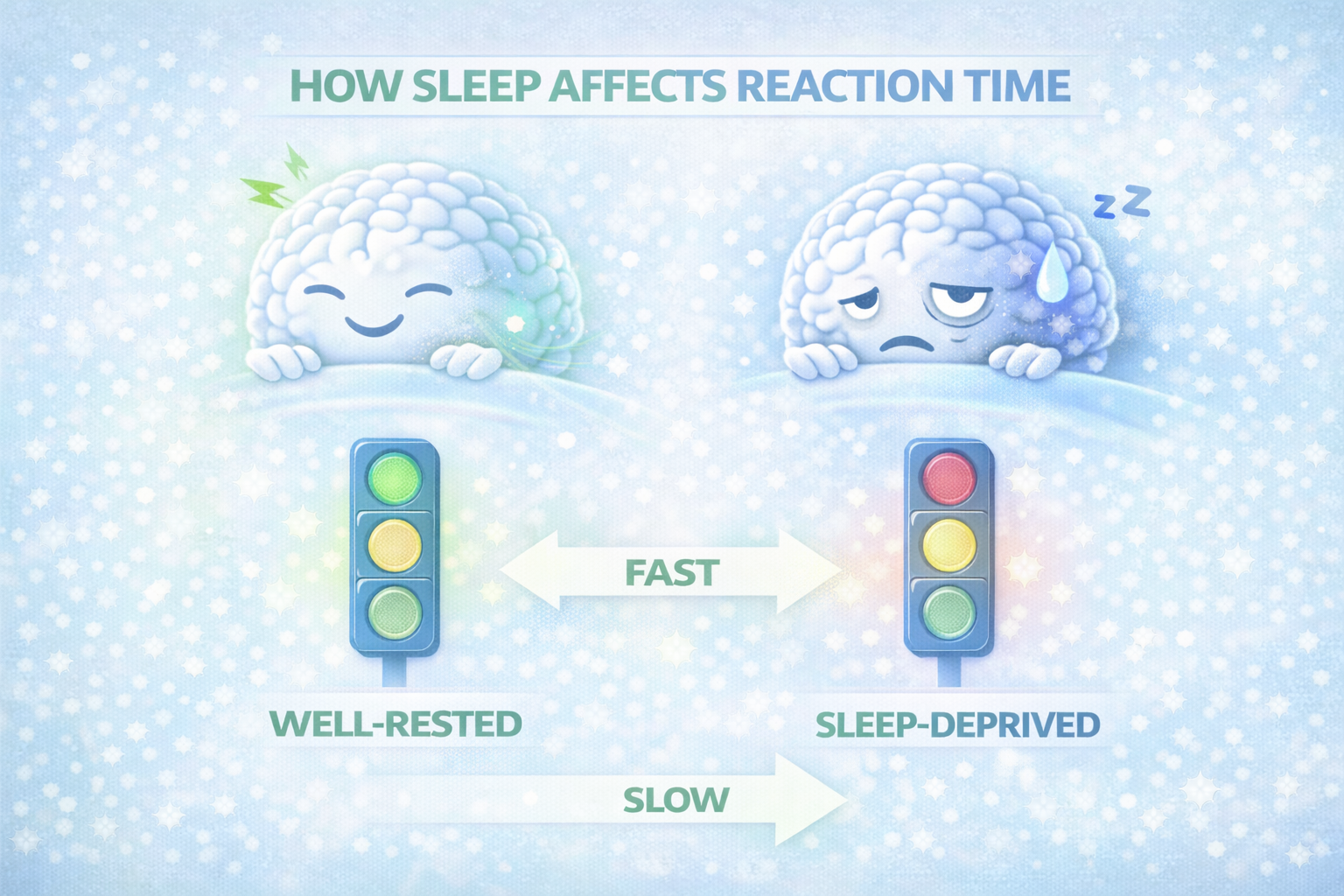
    Tasks that normally feel manageable become draining more quickly. Errors increase, reaction time slows, and decision-making quality declines.

    Mental fatigue appears earlier not because tasks are harder, but because recovery was incomplete.


    Circadian Alignment and Endurance

    Cognitive endurance varies across the day.

    Circadian rhythm determines when the brain is biologically prepared to sustain effort. When sleep timing aligns with this rhythm, endurance remains stable.

    Mistimed sleep produces uneven alertness, causing endurance to collapse during biologically low periods.


    Fragmented Sleep and Rapid Exhaustion

    Interrupted sleep weakens endurance more than short sleep.

    Fragmentation prevents full recovery of attention and control networks, leading to early burnout during mental tasks.

    This is why fragmented sleep often produces intense fatigue even when total sleep time seems adequate.


    Why Willpower Can’t Replace Sleep

    Willpower can mask fatigue briefly, but it cannot restore endurance.

    Pushing through exhaustion increases neural effort and accelerates depletion. Over time, this strategy worsens fatigue rather than improving performance.

    True endurance comes from recovery, not resistance.


    Long-Term Effects of Poor Sleep on Cognitive Endurance

    Chronic sleep disruption reduces baseline mental stamina.

    Sustained thinking becomes harder, recovery takes longer, and cognitive fatigue becomes the norm. These changes are often misattributed to stress or aging.

    Restoring sleep quality often restores endurance that people assumed was lost.


    The Core Idea to Remember

    Cognitive endurance is built during sleep.

    Sleep restores the brain’s capacity to sustain mental effort, regulate attention, and resist fatigue. Without it, mental stamina declines regardless of motivation.

    If prolonged thinking feels exhausting, the limiting factor is often recovery — not capability.

  • How Sleep Affects Attention Span

    How Sleep Affects Attention Span

    Why the ability to stay focused depends on sleep quality, not just willpower

    Attention span is often treated as a matter of discipline. When focus slips, people assume they are distracted, unmotivated, or lacking self-control. The usual response is to push harder or remove distractions.

    In reality, attention span is largely determined by sleep. The brain’s ability to sustain attention, resist distraction, and remain mentally stable over time depends on how well it has recovered overnight. When sleep is disrupted, attention naturally shortens — regardless of effort.


    Attention Is a Limited Biological Resource

    Attention is not infinite.

    The brain allocates attention through neural systems that require energy, coordination, and stability. These systems fatigue with use and must be restored regularly.

    Sleep is the primary period when this restoration occurs. Without it, attention capacity shrinks.


    How Sleep Restores Sustained Attention

    During sleep, the brain recalibrates attention-control networks.

    Neural circuits responsible for maintaining focus are strengthened, while unnecessary background activity is reduced. This improves the brain’s ability to hold attention steady over time.

    After good sleep, focus feels more stable and less effortful.


    Sleep Deprivation and Shortened Attention Span

    When sleep is reduced or fragmented, attention becomes fragile.

    The brain struggles to maintain focus for extended periods, leading to frequent mental drifting, distraction, and task switching. Concentration breaks occur more quickly and more often.

    This is why sleep-deprived individuals often feel restless or mentally scattered.


    The Role of Deep Sleep in Attention Stability

    Deep sleep supports neural synchronization.

    This synchronization allows attention networks to operate efficiently the next day. When deep sleep is reduced, neural signaling becomes noisier, making sustained attention harder.

    Even small losses of deep sleep can noticeably shorten attention span.


    REM Sleep and Attentional Flexibility

    REM sleep contributes to flexible attention.

    It helps the brain switch focus smoothly between tasks and adapt to changing demands. This flexibility prevents mental rigidity and supports sustained engagement.

    Disrupted REM sleep reduces this adaptability, increasing mental fatigue during prolonged tasks.


    Why Attention Breaks Feel Sudden After Poor Sleep

    Attention loss often feels abrupt rather than gradual.

    This happens because sleep deprivation lowers the brain’s tolerance for cognitive load. Once capacity is exceeded, attention collapses quickly instead of tapering off.

    Good sleep raises this threshold, allowing attention to persist longer.


    Circadian Timing and Attention Span

    Attention span fluctuates across the day.

    Circadian rhythm influences when the brain is biologically prepared to sustain focus. Misaligned sleep timing produces uneven alertness, shortening attention span during biologically low periods.

    Even adequate sleep duration cannot fully compensate for poor timing.


    Fragmented Sleep and Attention Lapses

    Interrupted sleep increases attention lapses.

    Micro-awakenings disrupt recovery cycles, leaving attention networks partially restored. This leads to brief but frequent lapses that reduce overall task performance.

    Fragmented sleep often impairs attention more than short but continuous sleep.


    Why Effort Cannot Extend Attention Without Sleep

    Trying harder does not significantly extend attention span.

    Effort can temporarily mask fatigue, but neural efficiency remains reduced. The brain consumes more energy to maintain focus, accelerating exhaustion.

    Sustained attention requires recovery, not pressure.


    Long-Term Effects of Poor Sleep on Attention

    Chronic sleep disruption shortens attention span over time.

    Frequent lapses become normalized, and sustained focus feels increasingly difficult. These changes are often mistaken for stress, aging, or attention disorders.

    Restoring sleep quality often restores attention capacity.


    The Core Idea to Remember

    Attention span is shaped by sleep more than by discipline.

    Sleep restores the neural systems that support sustained focus. Without it, attention naturally fragments, shortens, and becomes unstable.

    If attention feels hard to maintain, the problem is often not focus itself — it is recovery.

  • How Sleep Influences Learning Speed

    How Sleep Influences Learning Speed

    Why the brain learns faster when sleep supports memory and neural efficiency

    Learning speed is often attributed to intelligence, talent, or effort. When learning feels slow, the instinct is to practice more, concentrate harder, or push through fatigue.

    In reality, how quickly you learn depends heavily on sleep. Sleep determines how efficiently the brain absorbs new information, integrates it with existing knowledge, and prepares itself to learn again the next day. Without proper sleep, learning slows — not because ability disappears, but because the brain’s learning systems are impaired.


    Learning Is a Two-Phase Process

    Learning does not happen all at once.

    The first phase occurs while awake, when information is encoded. The second phase happens during sleep, when that information is stabilized and organized. Learning speed depends on how smoothly these two phases work together.

    When sleep is disrupted, the second phase weakens, slowing future learning even if practice continues.


    Why Sleep Prepares the Brain to Learn

    Sleep restores the brain’s learning capacity.

    During sleep, neural networks reset their sensitivity, clearing space for new information. This prevents saturation of memory systems and improves signal efficiency.

    After good sleep, the brain can encode new material faster and with less effort.


    Deep Sleep and Foundational Learning

    Deep sleep supports the consolidation of factual and conceptual knowledge.

    During this stage, recently learned information is transferred from temporary storage into long-term memory networks. This process reduces interference and stabilizes learning.

    When deep sleep is reduced, new information competes for limited capacity, slowing learning speed.


    REM Sleep and Skill Acquisition

    REM sleep plays a key role in procedural and skill-based learning.

    Motor skills, pattern recognition, and complex problem-solving benefit from REM-related integration. This stage helps refine performance and improve accuracy without additional practice.

    Disrupted REM sleep limits this refinement, making learning feel slower and less efficient.


    Sleep Deprivation and Slower Encoding

    Lack of sleep reduces the brain’s ability to encode information.

    Attention becomes unstable, working memory capacity shrinks, and errors increase. Even when studying longer, the brain absorbs less per unit of effort.

    This creates the illusion that learning ability has declined, when the real issue is reduced neural efficiency.


    Why Sleep Timing Matters for Learning Speed

    Learning speed depends on circadian alignment.

    When learning occurs during periods of high biological alertness, encoding is faster and more reliable. Poorly timed sleep disrupts this rhythm, reducing learning efficiency even after adequate sleep duration.

    Mistimed sleep makes learning inconsistent and unpredictable.


    Fragmented Sleep and Learning Inefficiency

    Learning benefits from uninterrupted sleep cycles.

    Fragmented sleep interrupts the consolidation process, leaving new information partially integrated. This forces the brain to relearn or reinforce material repeatedly.

    As a result, learning feels slower and requires more repetition.


    Why Effort Cannot Replace Sleep for Learning

    Extra effort cannot fully compensate for poor sleep.

    Studying longer while sleep-deprived increases fatigue without proportionally increasing retention. The brain simply cannot process information at normal speed.

    Efficient learning depends more on recovery than on time spent practicing.


    Long-Term Effects on Learning Capacity

    Chronic sleep disruption reduces learning adaptability.

    Over time, the brain becomes less flexible, slower to integrate new information, and more prone to overload. This affects not only academic learning but also everyday skill acquisition.

    Protecting sleep protects the ability to learn efficiently over the long term.


    The Core Idea to Remember

    Sleep is a key determinant of how fast you learn.

    By restoring neural capacity, stabilizing memory, and supporting integration, sleep allows learning to happen quickly and efficiently. Poor sleep slows learning not by reducing intelligence, but by impairing the brain’s ability to process and retain information.

    Learning speed improves when sleep quality is protected.

  • How Sleep Affects Focus and Mental Clarity

    How Sleep Affects Focus and Mental Clarity

    Why a well-rested brain processes information faster and with less effort

    Focus and mental clarity are often treated as skills you train through discipline, motivation, or productivity techniques. When concentration fades, people tend to push harder, rely on caffeine, or blame distraction.

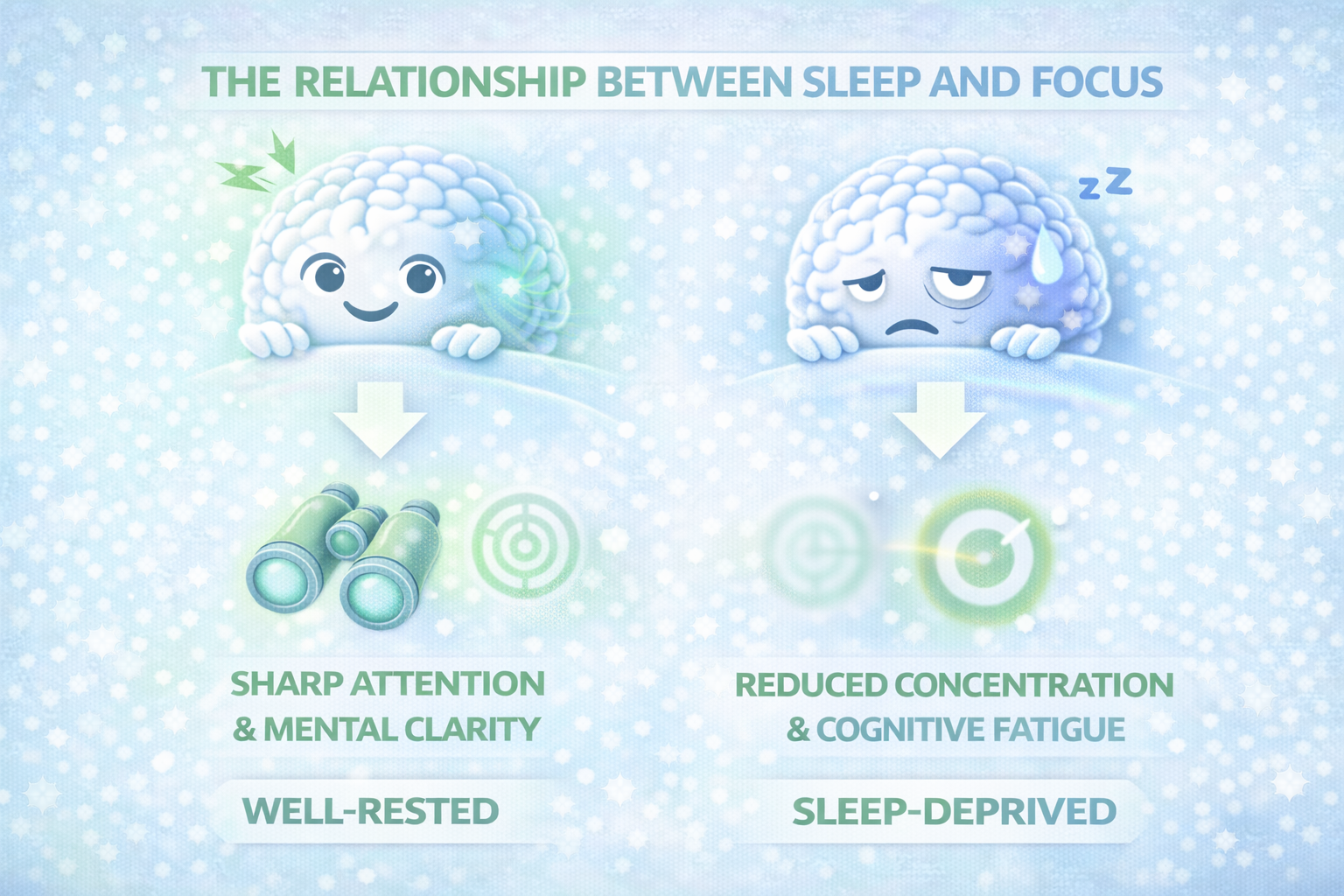
    In reality, focus is primarily a biological state. The brain’s ability to sustain attention, filter irrelevant information, and think clearly depends heavily on sleep quality. When sleep is insufficient, fragmented, or mistimed, mental clarity declines even if motivation remains high.


    Focus Is a Brain State, Not a Personality Trait

    The ability to focus depends on how efficiently the brain regulates attention.

    Sleep supports the balance between neural systems responsible for alertness and those responsible for filtering distractions. When this balance is intact, attention feels natural and effortless.

    When sleep is disrupted, the brain struggles to maintain this balance, making focus feel forced and mentally exhausting.


    How Sleep Restores Attention Networks

    During sleep, the brain recalibrates attention networks.

    Neural connections involved in sustained focus are strengthened, while unnecessary or noisy connections are pruned. This optimization reduces cognitive load and improves signal clarity the next day.

    Without sufficient sleep, attention networks remain inefficient, requiring more effort to achieve the same level of focus.


    Sleep Deprivation and Mental Fog

    Mental fog is one of the earliest signs of poor sleep.

    Sleep loss slows neural communication, reduces processing speed, and weakens coordination between brain regions. Thoughts feel less precise, reactions are delayed, and information feels harder to organize.

    This fog is not subjective—it reflects real changes in brain function.


    The Role of Deep Sleep in Cognitive Clarity

    Deep sleep plays a critical role in restoring mental clarity.

    During slow-wave sleep, metabolic waste is cleared and neural activity becomes synchronized. This process improves signal-to-noise ratio in the brain, making thoughts feel sharper and more coherent.

    Reduced deep sleep leaves the brain cluttered, increasing distraction and mental fatigue.


    REM Sleep and Cognitive Flexibility

    REM sleep supports cognitive flexibility and creative thinking.

    During this stage, the brain integrates information across networks, allowing for insight, pattern recognition, and flexible problem-solving. This integration supports clarity when switching tasks or adapting to new information.

    Disrupted REM sleep reduces this flexibility, making thinking feel rigid or stuck.


    Why Sleep Timing Matters for Focus

    Focus depends not only on sleep duration, but on timing.

    When sleep aligns with the circadian rhythm, alertness rises smoothly during the day. Mistimed sleep produces uneven alertness, leading to periods of fog even after adequate hours in bed.

    Circadian misalignment makes focus unreliable and inconsistent.


    Fragmented Sleep and Attention Lapses

    Interrupted sleep weakens sustained attention.

    Frequent awakenings prevent the brain from completing restorative cycles, leading to micro-lapses in focus the next day. These lapses increase errors and reduce productivity, even when they go unnoticed.

    This is why fragmented sleep often feels worse than short but uninterrupted sleep.


    Why Effort Can’t Replace Sleep for Focus

    Many people try to compensate for poor sleep with effort.

    While motivation can temporarily override fatigue, it cannot restore neural efficiency. The brain continues to operate with reduced capacity, making focus increasingly costly.

    Sustained clarity requires recovery, not willpower.


    Sleep Quality and Decision Fatigue

    Poor sleep accelerates decision fatigue.

    As focus declines, the brain uses more energy to maintain attention. This depletes cognitive resources faster, making decisions feel harder and reducing mental endurance throughout the day.

    Good sleep preserves focus by reducing the cost of thinking.


    Long-Term Effects on Mental Clarity

    Chronic sleep disruption leads to persistent clarity loss.

    Over time, reduced focus becomes normalized. Mental fog, distractibility, and slower thinking are often attributed to stress or aging rather than sleep.

    Restoring sleep quality often restores clarity that people forgot was possible.


    The Core Idea to Remember

    Sleep is one of the strongest determinants of focus and mental clarity.

    A well-rested brain filters distractions, processes information efficiently, and sustains attention with less effort. Poor sleep makes thinking heavier, slower, and less precise.

    Mental clarity is not forced—it is restored overnight, when the brain is allowed to recover.

  • The Relationship Between Sleep and Memory

    The Relationship Between Sleep and Memory

    How sleep stabilizes learning, strengthens recall, and protects cognitive function

    Memory is often thought of as something that happens while we are awake — during studying, working, or experiencing events. Sleep is usually seen as a passive pause between periods of learning.

    In reality, sleep plays an active and essential role in memory. What you remember, how well you recall it, and how durable those memories become all depend heavily on what happens in the brain during sleep. Without sufficient, well-timed sleep, memory formation remains incomplete and fragile.


    Memory Is Not Finished When Learning Ends

    Learning does not end when you stop paying attention.

    During wakefulness, the brain encodes information, but those memory traces are unstable. They require further processing to become durable and accessible. Sleep provides the conditions needed for this stabilization.

    Without sleep, newly learned information remains vulnerable to interference and loss.


    How Sleep Consolidates Memory

    Memory consolidation is the process by which temporary memories become long-term.

    During sleep, especially during deep sleep and REM sleep, the brain replays and reorganizes neural patterns formed during the day. This replay strengthens important connections and weakens irrelevant ones.

    Through this process, memories become more stable, integrated, and easier to retrieve later.


    The Role of Deep Sleep in Memory Storage

    Deep sleep plays a critical role in consolidating declarative memories — facts, concepts, and experiences.

    During this stage, slow, synchronized brain activity allows information stored temporarily in the hippocampus to be transferred to long-term storage in the cortex. This transfer reduces overload and frees capacity for new learning the next day.

    When deep sleep is reduced, this transfer process becomes less efficient.


    REM Sleep and Emotional Memory

    REM sleep contributes strongly to emotional and procedural memory.

    During REM sleep, emotional experiences are processed and integrated with existing knowledge. This helps regulate emotional responses and reduces the intensity of emotional memories while preserving their content.

    Disrupted REM sleep can leave emotional memories poorly integrated, increasing emotional reactivity and reducing learning efficiency.


    Why Sleep Deprivation Impairs Learning

    Lack of sleep affects memory in two ways.

    First, it weakens the brain’s ability to consolidate memories formed the previous day. Second, it reduces the brain’s ability to encode new information the next day.

    This double impact explains why sleep-deprived individuals struggle both to remember what they learned and to learn anything new.


    Sleep Timing Matters for Memory

    Memory consolidation is sensitive to timing.

    Sleep that occurs at biologically appropriate times supports optimal coordination between sleep stages. Mistimed sleep disrupts this coordination, reducing the effectiveness of memory processing.

    Even long sleep durations may fail to support memory if circadian alignment is poor.


    Fragmented Sleep and Memory Breakdown

    Memory consolidation requires uninterrupted sleep.

    Fragmented sleep interrupts the cycles needed for replay and integration. Frequent awakenings prevent sustained deep and REM sleep, weakening memory stabilization.

    As a result, sleep fragmentation often leads to forgetfulness, reduced recall accuracy, and mental fog.


    Why You Remember Better After Good Sleep

    After high-quality sleep, memories feel clearer and more accessible.

    This is not because you tried harder to remember, but because the brain completed its overnight processing. Neural connections are stronger, interference is reduced, and retrieval becomes easier.

    Sleep improves memory efficiency, not just storage.


    Long-Term Effects of Poor Sleep on Memory

    Chronic sleep disruption affects memory over time.

    Repeated impairment of consolidation weakens learning capacity, slows cognitive processing, and reduces mental flexibility. These effects are often gradual and mistaken for aging or stress.

    Protecting sleep protects long-term cognitive health.


    Why Sleep Is Not Optional for Memory

    Memory depends on sleep as much as it depends on attention.

    Without regular, well-timed sleep, learning remains incomplete. The brain cannot compensate for missing sleep through effort or repetition alone.

    Sleep is the phase where memory becomes durable.


    The Core Idea to Remember

    Sleep is a central part of how memory works.

    During sleep, the brain stabilizes, organizes, and integrates what you learn. Without it, memories remain fragile and learning capacity declines.

    Good memory is not just about what you do while awake — it is about what your brain is allowed to do while you sleep.

  • Why Your Mind Races at Bedtime

    Why Your Mind Races at Bedtime

    How timing, stress, and learned arousal keep the brain active when it should slow down

    Lying in bed with a tired body and an overactive mind is a common experience. Thoughts jump from one topic to another, worries resurface, plans replay, and sleep feels distant despite clear exhaustion.

    This racing mind is not a sign of poor discipline or a flawed personality. It reflects a state of heightened brain arousal that conflicts with sleep onset. Understanding why this happens reveals that the issue is not the presence of thoughts, but the conditions that keep the brain alert at the wrong time.


    Sleep Requires the Brain to Disengage

    Falling asleep is not about shutting thoughts off on command.

    Sleep begins when alertness systems quiet down and the brain reduces its engagement with problem-solving and monitoring. This disengagement is gradual and depends on timing, safety signals, and reduced stimulation.

    When these conditions are missing, the brain remains active even when the body is ready for rest.


    Stress Keeps the Brain in Problem-Solving Mode

    Stress is one of the strongest drivers of nighttime mental activity.

    Even low-grade or background stress keeps the brain oriented toward anticipation and control. Cortisol and other stress-related signals promote vigilance, making the brain more likely to scan for unresolved issues.

    At bedtime, when distractions disappear, this unresolved cognitive load becomes more noticeable, giving the impression that the mind suddenly “wakes up.”


    Why Thoughts Appear Louder at Night

    The mind does not usually become more active at night — the environment becomes quieter.

    During the day, attention is occupied by tasks, noise, and interaction. At night, external input drops sharply, leaving internal thoughts more prominent.

    This contrast makes normal cognitive activity feel intense, even though overall brain activity may not be higher than during the day.


    Circadian Timing and Evening Alertness

    Circadian timing influences how alert the brain feels in the evening.

    For later chronotypes, alertness naturally peaks later at night. If bedtime occurs before this alertness declines, the brain remains engaged and resistant to sleep.

    In these cases, racing thoughts reflect biological timing rather than anxiety or overthinking alone.


    Learned Arousal and the Bed–Wake Association

    Over time, the brain can learn to associate the bed with alertness.

    If bedtime repeatedly involves worrying, planning, or frustration about not sleeping, the brain links the bed environment with cognitive activity. This learned association triggers alertness as soon as you lie down.

    The result is a conditioned response where the mind races automatically, even on low-stress days.


    Why Trying to Control Thoughts Backfires

    Efforts to suppress thoughts often increase arousal.

    When the brain detects effort or frustration, it interprets this as a need for control, activating alertness systems further. This creates a feedback loop where trying harder to sleep makes sleep less likely.

    Sleep emerges when effort drops, not when control increases.


    Sleep Pressure Isn’t Always Enough

    High sleep pressure does not guarantee mental quiet.

    You can be physically exhausted while cognitive systems remain active. Alertness driven by stress or timing can override sleep pressure, delaying sleep onset.

    This explains why extreme tiredness does not always lead to immediate sleep.


    Why the Mind Races Most Right Before Sleep

    Bedtime is a transition point.

    As the brain shifts from engagement to disengagement, unresolved thoughts surface briefly before fading — unless alertness is sustained. When timing or stress interferes, this transitional phase stretches longer than it should.

    The racing mind is often a sign that disengagement has stalled.


    Reducing Nighttime Mental Activation

    Calming the racing mind is about reducing arousal, not eliminating thoughts.

    Consistent sleep timing, reduced evening stimulation, and allowing alertness to decline naturally help the brain disengage. Creating a predictable wind-down period signals that problem-solving is no longer required.

    When the brain receives permission to disengage, thoughts slow without force.


    The Core Idea to Remember

    Your mind races at bedtime because the brain remains alert when it should be winding down.

    Stress, circadian timing, and learned associations keep cognitive systems active despite physical fatigue. Sleep does not arrive when thoughts are fought — it arrives when alertness is allowed to fade.

    Understanding this shifts the focus from controlling the mind to creating the conditions that let it rest.

  • How Long It Takes to Fix a Broken Sleep Schedule

    How Long It Takes to Fix a Broken Sleep Schedule

    Why restoring sleep timing is a gradual biological process, not a quick reset

    When sleep schedules fall apart, the first question is almost always the same: How long will this take to fix? After weeks or months of late nights, irregular wake-ups, or shifting routines, many people expect recovery to happen after a few “good” nights.

    Biologically, sleep timing does not reset instantly. Fixing a broken sleep schedule means retraining the brain’s internal clock — a process that unfolds gradually and follows biological constraints rather than motivation or effort.


    What a Broken Sleep Schedule Actually Means

    A sleep schedule is considered broken when sleep and wake times lose consistency.

    This often happens due to late nights, rotating schedules, stress, travel, illness, or prolonged irregular routines. Over time, the circadian rhythm loses its ability to predict when sleep should occur.

    The core issue is not just lost sleep. It is lost timing stability. The brain no longer knows when to prepare for rest or when to support alertness.


    Why Sleep Timing Can’t Be Fixed Overnight

    The circadian rhythm does not respond like a switch.

    It adjusts slowly based on repeated cues, especially light exposure and consistent wake times. When sleep schedules change abruptly, the internal clock moves in small increments rather than large jumps.

    This is why one or two early nights rarely solve the problem. The brain needs repetition to believe the new timing is reliable.


    The Typical Timeline for Repair

    For most people, noticeable improvement begins within one to two weeks of consistent timing.

    Full stabilization often takes two to four weeks, depending on how disrupted the schedule was. Long-standing irregularity or shift-like patterns may take longer.

    There is no universal timeline. Chronotype, stress levels, light exposure, and prior sleep debt all influence recovery speed.


    Why Some People Recover Faster Than Others

    Not everyone’s internal clock adjusts at the same rate.

    Earlier chronotypes generally shift earlier more easily, while later chronotypes tend to adapt more slowly. Stress, anxiety, and inconsistent routines further slow the process.

    This explains why two people following similar strategies can experience very different timelines.


    Why “Catching Up on Sleep” Doesn’t Fix Timing

    Sleeping longer reduces sleep pressure, but it does not reset circadian timing.

    If extra sleep occurs at inconsistent or biologically inappropriate hours, the internal clock remains unstable. You may feel less exhausted but still out of sync.

    Timing consistency — not extra hours — is what teaches the brain when sleep should happen.


    The Role of Wake-Up Time in Resetting Sleep

    Wake-up time is the strongest anchor for sleep timing.

    A consistent wake-up time sends a clear signal to the circadian rhythm, helping it re-align day by day. Bedtime often adjusts naturally once wake time stabilizes.

    Frequent changes in wake-up time delay this adjustment and prolong recovery.


    Why the Adjustment Phase Often Feels Worse

    During the reset period, many people feel temporarily worse.

    Sleep may feel lighter, fatigue may increase, and alertness can fluctuate. This does not mean the process is failing — it means the circadian rhythm is reorganizing.

    Abandoning consistency during this phase resets progress and extends recovery time.


    Why Forcing Early Bedtimes Slows Progress

    Trying to force sleep rarely accelerates repair.

    If bedtime is imposed before the brain is ready, sleep onset becomes difficult and fragmented. This creates frustration and conditions the brain to associate bed with wakefulness.

    Letting sleep arrive naturally — guided by consistent wake timing — is more effective than pushing bedtime earlier.


    How Long “Fully Fixed” Really Is

    A sleep schedule is considered fully restored when timing feels stable and sleep arrives easily most nights.

    For mild disruption, this may take a couple of weeks. For chronic disruption, it can take several weeks of steady routines before sleep feels reliably normal again.

    The brain continues fine-tuning even after sleep starts improving.


    The Core Idea to Remember

    Fixing a broken sleep schedule takes time because the circadian rhythm changes slowly.

    The brain needs repeated, consistent signals to relearn when to sleep and wake. Quick fixes rarely work, but steady alignment does.

    Patience is not optional here — it is part of the biology. When timing is respected, recovery follows.

  • Can Sleeping Too Much Make You Tired?

    Can Sleeping Too Much Make You Tired?

    Why excessive or poorly timed sleep can leave you feeling drained instead of restored

    Sleep is usually seen as the cure for fatigue. When energy drops, the natural response is to sleep longer, stay in bed more, or “catch up” on rest. Yet many people discover an uncomfortable paradox: after sleeping a lot, they feel heavier, foggier, and less motivated.

    This does not mean sleep is harmful. It means that more sleep is not always better sleep. When sleep duration exceeds what the brain can use efficiently — or when it occurs at the wrong time — it can actually worsen how rested you feel.


    Sleep Restores Through Quality, Not Quantity

    Sleep works through efficiency, not accumulation.

    The brain restores itself during specific sleep stages that occur at biologically appropriate times. Once those processes are completed, additional time in bed adds little benefit.

    When sleep extends beyond the optimal window, recovery does not increase proportionally. Instead, sleep quality can decline.


    Circadian Rhythm and Oversleeping

    The circadian rhythm determines when the brain is ready to wake up.

    If you continue sleeping past this natural wake window, the brain begins shifting toward alertness even while you remain asleep. This creates internal conflict between sleep and wake systems.

    As a result, waking up after oversleeping often feels sluggish and disorienting rather than refreshing.


    Why Oversleeping Increases Sleep Inertia

    Sleep inertia is the groggy, heavy feeling after waking.

    Long sleep episodes increase the likelihood of waking from deep sleep stages. When this happens, the brain requires more time to fully transition into alertness.

    Instead of easing the wake-up process, oversleeping can intensify inertia and reduce mental clarity.


    Long Sleep Often Signals Poor Sleep Quality

    Sleeping too much is frequently a response to inadequate recovery.

    Fragmented sleep, reduced deep sleep, or circadian misalignment can leave the brain under-restored. In response, sleep pressure remains high, driving longer sleep durations without improving how rested you feel.

    In these cases, long sleep is a symptom, not a solution.


    Oversleeping and Circadian Drift

    Regularly sleeping in can shift the circadian rhythm later.

    This delay makes it harder to fall asleep the following night, creating a cycle of late bedtimes and late wake-ups. Over time, this pattern increases fatigue rather than resolving it.

    What feels like recovery may quietly reinforce misalignment.


    Mental and Emotional Effects of Excessive Sleep

    Oversleeping affects more than physical energy.

    It is often associated with:

    • reduced mental sharpness

    • lower motivation

    • emotional flatness

    • difficulty initiating tasks

    These effects reflect circadian disruption and incomplete recovery rather than restfulness.


    Why More Sleep Doesn’t Fix Chronic Fatigue

    Chronic fatigue is rarely caused by insufficient sleep alone.

    When fatigue results from stress, disrupted sleep architecture, or circadian instability, extending sleep duration does not address the underlying cause. The brain remains out of sync.

    This is why some people feel better with slightly less but better-timed sleep.


    When Longer Sleep Is Actually Appropriate

    There are situations where longer sleep is necessary.

    Acute sleep deprivation, illness, intense physical exertion, or recovery periods can legitimately increase sleep needs. In these contexts, longer sleep supports healing rather than undermines energy.

    The key difference is whether longer sleep restores clarity or perpetuates fatigue.


    Finding the Right Amount of Sleep

    The optimal amount of sleep is individual and timing-dependent.

    When sleep is well-aligned, duration often stabilizes naturally. The body wakes more easily, and energy feels more consistent throughout the day.

    The goal is not maximizing hours in bed, but matching sleep duration to biological need and timing.


    The Core Idea to Remember

    Sleeping too much can make you feel tired when it disrupts circadian timing or reflects poor sleep quality.

    Energy does not come from accumulating hours in bed. It comes from sleep that is efficient, well-timed, and biologically aligned.

    When sleep timing is right, the brain takes what it needs — and more sleep stops being necessary.

  • Why You Sleep Better Some Nights Than Others

    Why You Sleep Better Some Nights Than Others

    How subtle shifts in timing, stress, and physiology change sleep quality from night to night

    Most people notice that sleep quality fluctuates. One night feels deep and effortless, the next feels light and fragmented — even when bedtime, duration, and routine appear unchanged.

    These differences are not random. Sleep quality varies because the brain’s readiness for sleep changes from day to day. Small shifts in circadian timing, stress load, sleep pressure, and environmental cues can significantly alter how restorative sleep feels.


    Sleep Quality Is Context-Dependent

    Sleep is not produced in isolation.

    Each night’s sleep reflects what happened during the day — physically, mentally, and biologically. Stress exposure, light timing, activity levels, and emotional load all influence how easily the brain can enter and maintain restorative sleep.

    Two nights with identical bedtimes can produce very different outcomes because the internal context is different.


    Circadian Alignment Changes Daily

    The circadian rhythm is stable, but not rigid.

    Light exposure, meal timing, and daily routines can subtly shift circadian signals from one day to the next. When sleep timing aligns well with these signals, sleep feels smooth and consolidated.

    When alignment is slightly off, sleep becomes lighter or more fragmented, even if the change is barely noticeable.


    Sleep Pressure Is Not the Same Every Night

    Sleep pressure builds based on how long and how intensely the brain has been awake.

    Days with high cognitive load, physical activity, or extended wakefulness increase sleep pressure, often leading to deeper sleep. Quieter or less demanding days may produce lower pressure, making sleep lighter.

    This variation explains why sleep can feel deeper after demanding days and lighter after low-activity days.


    Stress Fluctuations Shape Nighttime Arousal

    Stress levels vary daily, even when they feel “normal.”

    Small increases in emotional load, unresolved concerns, or anticipation can elevate nighttime arousal. This makes it harder for the brain to fully disengage, reducing sleep depth and increasing awakenings.

    On lower-stress days, the brain enters recovery mode more easily, improving sleep quality.


    The Role of Light and Evening Stimulation

    Evening light exposure is rarely identical from night to night.

    Screens, indoor lighting, and cognitive stimulation can delay the brain’s transition into sleep. Minor differences — such as extra screen time or later light exposure — can shift sleep onset and depth.

    These small changes accumulate into noticeable differences in sleep quality.


    Why Sleep Architecture Varies Nightly

    Sleep stages do not follow a fixed pattern every night.

    The distribution of deep sleep and REM sleep adapts to recent needs. After sleep loss or high stress, the brain may prioritize certain stages. On other nights, lighter sleep may dominate.

    This flexibility is normal, but it means that sleep quality naturally varies.


    Environmental Sensitivity Changes Over Time

    Sensitivity to noise, temperature, and comfort can fluctuate.

    On some nights, minor disturbances are ignored. On others, they trigger awakenings. This variability reflects changes in arousal threshold rather than environmental failure.

    As a result, identical environments can produce different sleep outcomes.


    Why “Doing Everything Right” Doesn’t Guarantee Good Sleep

    Many people expect perfect sleep when routines are followed precisely.

    However, sleep depends on internal readiness more than external rules. Even ideal habits cannot override biological variability from day to day.

    Good sleep increases the probability of restorative nights — it does not guarantee them.


    Why Variability Is Normal, Not a Problem

    Some night-to-night variation in sleep quality is healthy.

    The brain adapts sleep architecture to changing needs. Expecting identical sleep every night creates unnecessary frustration and increases sleep-related stress.

    Understanding variability reduces pressure and helps prevent overreaction to single bad nights.


    Improving the Odds of Better Nights

    The goal is not control, but consistency.

    Stable wake times, regular light exposure, and reduced evening stimulation increase the likelihood of good sleep across many nights. When the brain receives clear, repeated signals, sleep quality improves on average.

    Good sleep is a trend, not a single event.


    The Core Idea to Remember

    You sleep better some nights than others because sleep is shaped by daily biology, not rigid rules.

    Small changes in circadian alignment, stress, sleep pressure, and stimulation alter how the brain recovers each night. Variability is normal — patterns matter more than perfection.

    Understanding this makes sleep easier to support and less stressful to manage.