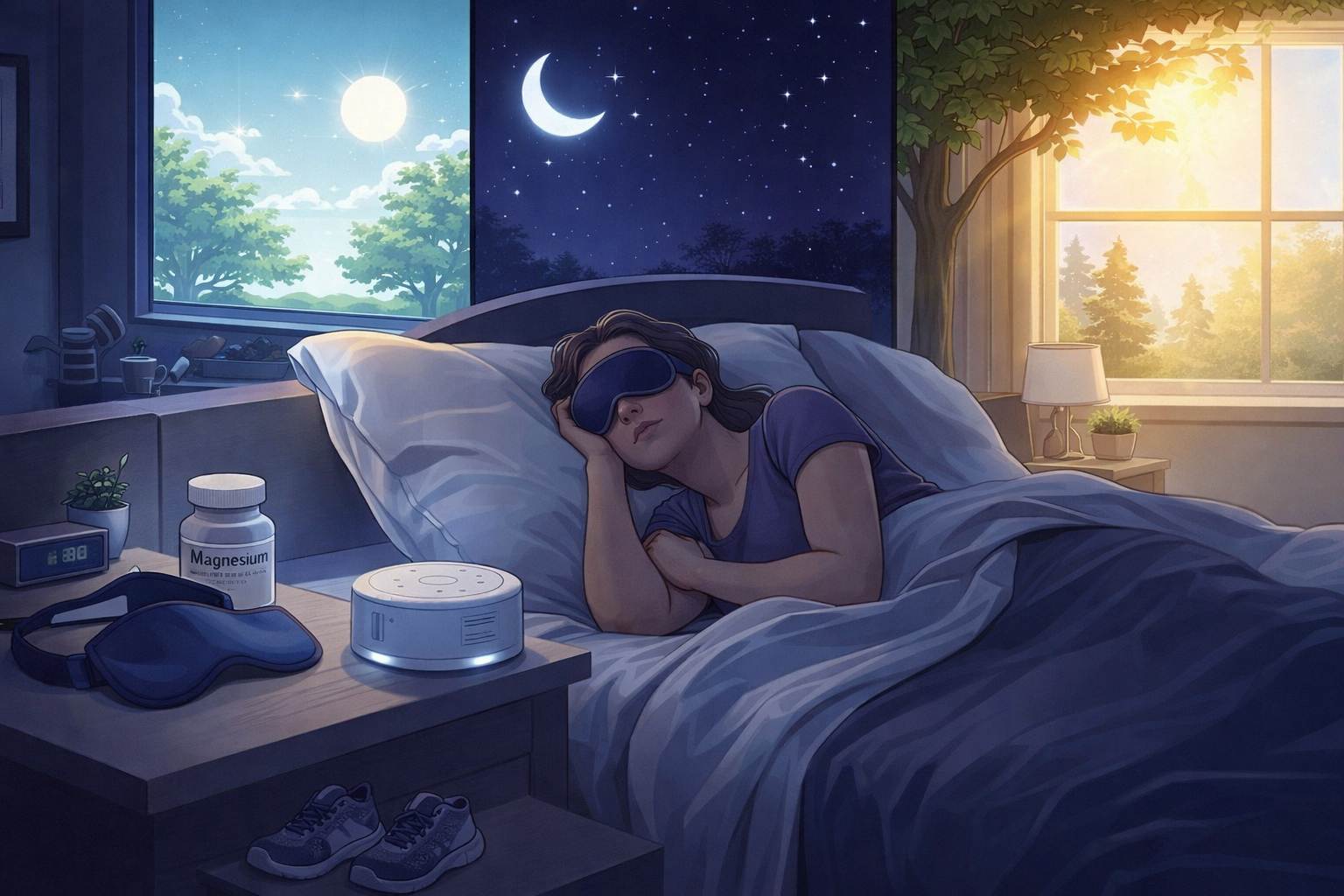
Tag: healthy sleep

  • How to Stay Asleep Through the Night

    How to Stay Asleep Through the Night

    Why sleep continuity depends on nervous system stability, circadian timing, and environmental predictability

    Waking up during the night is not unusual. Brief awakenings are part of normal sleep physiology and often go unnoticed. The problem arises when the brain remains alert and cannot return easily to sleep.

    Staying asleep requires more than falling asleep successfully. It depends on whether the nervous system can maintain a stable disengaged state over several hours.

    Sleep continuity reflects how safe and predictable the brain perceives the internal and external environment to be.

    Understanding why sleep becomes fragmented reveals why uninterrupted sleep cannot be forced, but must be supported.


    Sleep Is a Dynamic Biological Process

    Sleep unfolds in cycles.

    Each cycle moves through lighter and deeper stages before returning briefly toward wakefulness. These transitions allow the brain to regulate recovery, memory consolidation, and physiological balance.

    During these transition points, the brain becomes more sensitive to disturbances.

    If alertness systems activate too strongly, full awakening occurs.

    If stability is maintained, the brain returns naturally into deeper sleep.

    Sleep continuity depends on how easily the brain can pass through these vulnerable transition periods.


    The Nervous System Must Remain in a Low-Alert State

    The nervous system constantly evaluates safety.

    Even during sleep, parts of the brain monitor for unexpected changes. This protective mechanism helps ensure survival but can interfere with sleep stability.

    Stress, uncertainty, and physiological activation increase baseline alertness.

    When alertness remains elevated, the brain becomes more likely to fully awaken during normal sleep transitions.

    Stable sleep requires the nervous system to remain in a low-alert condition throughout the night.


    Circadian Timing Stabilizes Sleep Structure

    The circadian rhythm does not only determine when sleep begins. It also helps maintain sleep once it has started.

    Hormonal signals, body temperature, and neural activity follow predictable patterns across the night.

    When sleep timing is irregular, these patterns become less stable.

    This instability increases the likelihood of nighttime awakenings.

    Consistent sleep timing strengthens circadian coordination and improves sleep continuity.


    Environmental Predictability Supports Continuous Sleep

    The brain responds strongly to sensory changes.

    Light, sound, and physical discomfort can all trigger awakenings.

    Even subtle variations can activate monitoring systems.

    A stable sensory environment allows the brain to remain disengaged.

    Some people use environmental stabilization strategies, such as maintaining darkness and reducing unpredictable sensory input, to help the brain remain in sleep mode throughout the night.

    When the environment remains consistent, the brain is less likely to interrupt sleep.


    Hyperarousal Is One of the Most Common Causes of Night Wakings

    Hyperarousal refers to an elevated state of nervous system activation.

    This state can persist even when the body is physically tired.

    The brain remains prepared to respond rather than recover.

    This condition increases sensitivity to internal and external signals.

    As a result, normal sleep transitions are more likely to trigger awakening.

    Reducing hyperarousal allows sleep cycles to continue naturally.


    Sleep Continuity Depends on Stability, Not Effort

    Trying to control sleep after waking often increases alertness.

    Effort signals importance to the brain.

    This reinforces wakefulness.

    Sleep resumes when alertness decreases naturally.

    This process cannot be forced.

    Sleep continuity emerges when the brain no longer perceives a need to remain alert.


    The Core Idea to Remember

    Staying asleep requires the brain to remain disengaged.

    Sleep becomes continuous when circadian timing, nervous system state, and environmental stability support recovery rather than monitoring.

    Uninterrupted sleep is not something the brain produces through effort, but something it allows when conditions remain stable.

  • How to Fall Asleep Faster Naturally

    How to Fall Asleep Faster Naturally

    How timing, nervous system state, and sensory signals determine how quickly sleep begins

    Falling asleep is often treated as something that should happen automatically once the body feels tired. But sleep onset is not controlled by fatigue alone. It depends on whether the brain has received the right signals to disengage from wakefulness.

    You can feel exhausted and still remain awake if alertness systems are active.

    Falling asleep faster is less about forcing sleep and more about allowing the brain to release control naturally.

    Understanding this process begins with recognizing how sleep actually starts.


    Sleep Begins When Alertness Systems Power Down

    Sleep is not switched on. Wakefulness is switched off.

    Throughout the day, the brain maintains alertness through networks that monitor the environment, regulate attention, and prepare the body for action.

    Sleep begins when these systems gradually reduce activity.

    This transition requires the nervous system to recognize that the environment is safe and predictable.

    If the brain continues detecting stimulation, uncertainty, or irregular timing, it delays sleep onset.

    Sleep latency — the time it takes to fall asleep — reflects how quickly this disengagement occurs.


    The Circadian Rhythm Determines When Sleep Is Possible

    The circadian rhythm creates a biological window for sleep.

    This internal timing system regulates melatonin release, body temperature, and alertness patterns across the day.

    Sleep happens fastest when you attempt to sleep inside this window.

    If you go to bed too early relative to your circadian phase, the brain remains in wake mode regardless of physical fatigue.

    Consistent sleep timing strengthens this window, allowing sleep to begin more easily.

    Irregular schedules weaken it.


    The Nervous System Must Shift from Alert to Resting State

    The nervous system operates along a spectrum between alertness and recovery.

    Stress, stimulation, and cognitive activity keep the brain closer to the alert end.

    Sleep requires movement toward the recovery end.

    This shift happens naturally when stimulation decreases and the brain stops preparing for action.

    When alertness remains elevated, sleep is delayed even if the body is physically tired.

    Sleep begins when the brain no longer feels the need to remain engaged.


    Environmental Signals Influence Sleep Onset

    The brain constantly interprets sensory input.

    Light, sound, and physical sensation all affect how quickly alertness declines.

    Darkness removes visual stimulation and supports melatonin release.

    Stable sensory conditions reduce monitoring activity.

    When the environment becomes predictable, the brain can disengage faster.

    Some people use sensory stabilization strategies, such as maintaining darkness or consistent background sound, to reduce environmental variability and support faster sleep onset.


    Mental Effort Can Delay Sleep

    Trying to force sleep activates the very systems that prevent it.

    Effort signals importance and engagement to the brain.

    Sleep emerges when effort disappears.

    This is why sleep often arrives unexpectedly after the brain stops actively pursuing it.

    Reducing effort allows natural sleep mechanisms to take over.

    Sleep cannot be commanded. It can only be allowed.


    Sleep Pressure Must Align with Timing

    Sleep pressure builds the longer you remain awake.

    This pressure increases the drive to sleep.

    However, sleep pressure alone is not enough.

    It must align with circadian timing and reduced alertness.

    When these systems work together, sleep begins quickly and naturally.

    When they conflict, sleep becomes delayed.


    Faster Sleep Is the Result of Alignment, Not Control

    Falling asleep faster reflects biological alignment.

    Circadian timing, nervous system state, and environmental stability all contribute.

    When these signals support disengagement, sleep begins with minimal delay.

    The brain follows conditions, not commands.

    Improving sleep onset is not about forcing sleep. It is about allowing the systems that create sleep to operate without interference.


    The Core Idea to Remember

    You fall asleep faster when the brain no longer needs to stay alert.

    Sleep begins when timing, environment, and nervous system state signal that wakefulness is no longer necessary.

    When these signals align, sleep happens naturally, smoothly, and without effort.

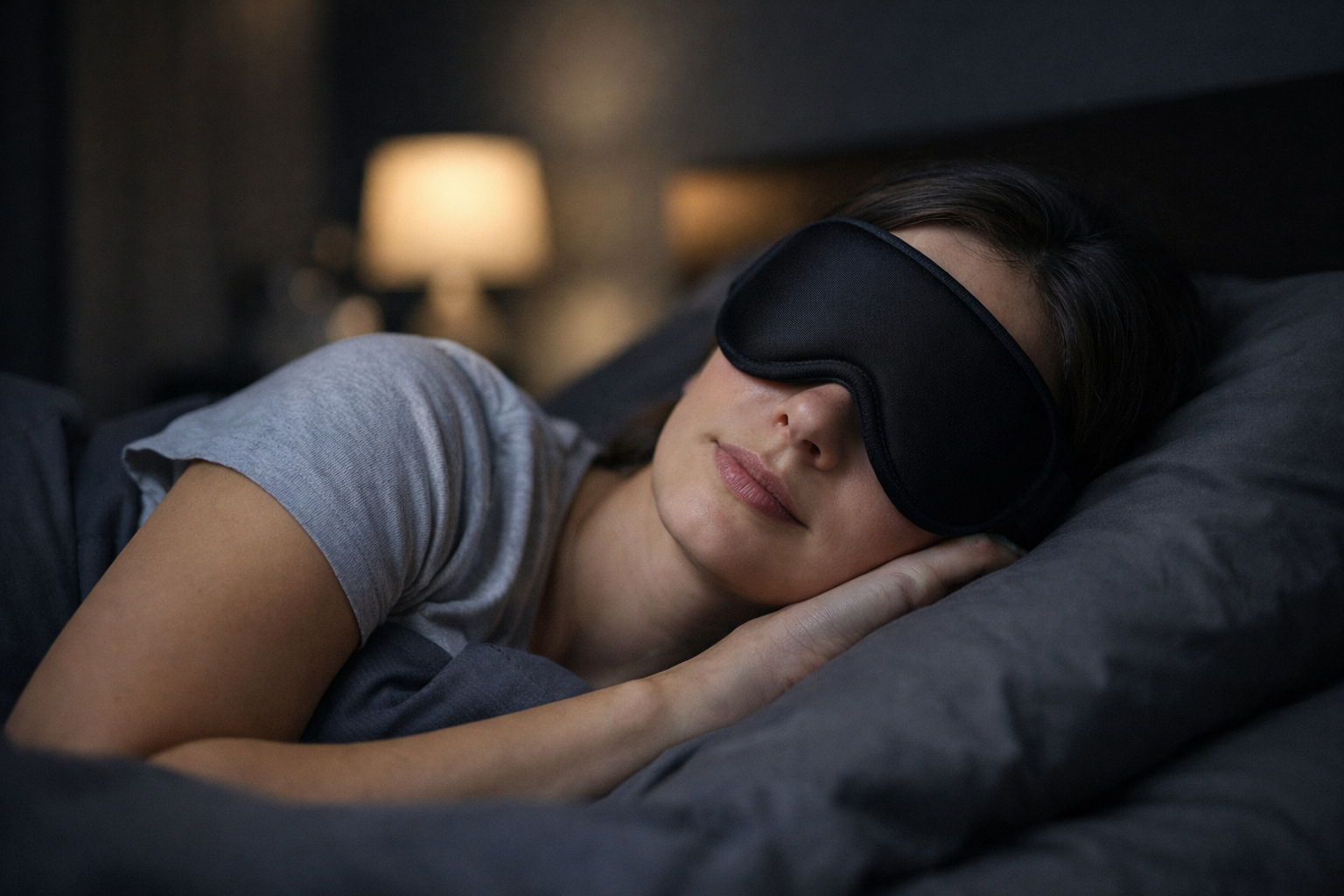
  • What Makes a Good Sleep Mask

    What Makes a Good Sleep Mask

    How darkness, comfort, and sensory reduction help the brain transition into deeper sleep

    Light is one of the most powerful signals affecting the sleeping brain. Even when your eyes are closed, the nervous system continues to monitor the environment for signs of day or night.

    A sleep mask works by removing one of the brain’s primary alertness signals: light.

    But not all sleep masks influence sleep in the same way. Their effectiveness depends on how well they support the brain’s ability to disengage from environmental monitoring.

    Understanding what makes a sleep mask effective requires looking at how the brain responds to darkness, comfort, and sensory stability.


    The Brain Never Fully Stops Monitoring the Environment

    Sleep does not mean complete disconnection.

    Even during sleep, parts of the brain continue scanning for sensory input. This process exists to protect you. Light, sound, and physical discomfort can all trigger micro-arousals — small activations that fragment sleep without fully waking you.

    Light is particularly influential.

    Even low levels of ambient light can reduce melatonin production and maintain a subtle level of alertness in the nervous system.

    Complete darkness removes this signal, allowing deeper disengagement.

    Some people use a sleep mask to create a consistently dark environment, especially when external light sources cannot be fully controlled.


    Darkness Helps Stabilize Circadian Signaling

    The circadian rhythm depends on clear signals.

    Bright light tells the brain it is time to be alert. Darkness tells it that rest and recovery should begin.

    When darkness is incomplete, this signal becomes weaker.

    A sleep mask strengthens the contrast between day and night by ensuring that the visual system receives a consistent darkness signal, even if the surrounding environment changes.

    This consistency helps support the brain’s natural transition into deeper sleep stages.


    Comfort Influences Whether the Brain Can Fully Relax

    Physical discomfort keeps the nervous system partially alert.

    If a sleep mask creates pressure, irritation, or friction, the brain continues to monitor that sensation. Instead of promoting sleep, the mask becomes another source of stimulation.

    Effective sleep masks minimize this effect.

    Soft materials, stable positioning, and minimal pressure allow the brain to ignore the mask entirely. When the brain stops monitoring the body, it can disengage more completely.

    Some people prefer masks designed to reduce pressure on the eyes while maintaining full darkness, helping the nervous system remain undisturbed throughout the night.


    Stability Matters More Than Tightness

    A common misconception is that tighter masks work better.

    In reality, excessive tightness increases sensory input. The brain interprets pressure as a signal that requires monitoring.

    A stable but gentle fit is more effective.

    When the mask stays in place without creating pressure, the brain receives consistent darkness without additional stimulation.

    This stability allows sleep to deepen naturally.


    Sensory Reduction Helps the Brain Release Control

    Sleep begins when the brain stops actively monitoring the environment.

    Darkness is one of the strongest safety signals.

    When visual input disappears, the brain can shift resources away from environmental awareness and toward internal recovery processes.

    This shift supports deeper and more restorative sleep.

    A sleep mask works not by forcing sleep, but by removing signals that interfere with the brain’s ability to disengage.


    Sleep Masks Are Most Effective in Unstable Light Environments

    Sleep masks are particularly helpful when environmental light cannot be controlled.

    Common examples include:

    • Urban environments with street lighting

    • Early sunrise during summer months

    • Indoor light from electronics or adjacent rooms

    • Travel environments such as airplanes or hotels

    In these situations, the brain receives inconsistent light signals.

    Some people use a sleep mask to maintain darkness and protect the brain’s natural sleep rhythm when external conditions are unpredictable.


    The Core Idea to Remember

    A good sleep mask supports the brain’s ability to disengage.

    It works by removing light, minimizing sensory stimulation, and allowing the nervous system to enter a stable state of rest.

    Sleep improves not because the mask forces it, but because the brain receives clearer signals that it is safe to let go.

    When darkness becomes consistent, the transition into sleep becomes easier, deeper, and more stable.

  • How to Build a Sleep-Friendly Lifestyle

    How to Build a Sleep-Friendly Lifestyle

    How daily habits, light, and environment shape your brain’s ability to rest

    Sleep is not an isolated event. It is the result of biological processes that unfold throughout the entire day. The brain does not suddenly switch into sleep mode at night. Instead, it gradually transitions based on signals related to light exposure, behavior, timing, and environment.

    A sleep-friendly lifestyle is not built at bedtime. It is built through consistent signals that teach the brain when to be alert and when to disengage.

    Understanding these signals helps explain why sleep improves naturally when daily rhythms align with the brain’s expectations.


    Light Exposure Sets the Foundation

    Light is the most powerful regulator of the circadian rhythm, the internal system that controls sleep timing, hormone release, and alertness.

    Exposure to natural light early in the day strengthens the brain’s sense of timing. It reinforces the distinction between day and night, helping alertness rise during waking hours and decline in the evening.

    At night, the opposite becomes important.

    Artificial light, especially in dark environments, can delay the brain’s transition into sleep. Even low levels of light can signal alertness to parts of the nervous system that monitor the environment.

    Reducing light exposure helps remove this signal.
    Some people use a comfortable sleep mask to create complete darkness and minimize visual stimulation, supporting the brain’s transition into a sleep-ready state.


    Consistency Teaches the Brain When to Sleep

    The brain relies heavily on patterns.

    Going to sleep and waking at consistent times allows internal systems to anticipate rest. Hormones such as melatonin begin to rise predictably, and alertness naturally declines.

    Irregular timing weakens these signals.

    When sleep and wake times shift frequently, the brain cannot prepare efficiently. Sleep becomes less stable, even if total duration appears sufficient.

    Consistency strengthens sleep more effectively than occasional attempts to compensate with extra hours.


    The Environment Influences Nighttime Alertness

    The sleeping environment communicates safety or uncertainty to the brain.

    When the brain detects unpredictable sensory input, it maintains a level of alertness in order to monitor potential changes. This process occurs automatically and can interfere with the transition into deeper sleep.

    Stable sensory conditions reduce this monitoring response.

    Consistent background sound, such as white noise, can help mask sudden environmental changes and support a more stable sleep environment by reducing the brain’s need to remain vigilant.


    The Nervous System Must Shift Out of Alert Mode

    Sleep requires the nervous system to move away from problem-solving and threat detection.

    Stress, cognitive overload, and constant stimulation keep alertness systems active longer than necessary. Even when the body feels tired, the brain may remain engaged.

    A sleep-friendly lifestyle includes periods of reduced stimulation that allow alertness to decline gradually.

    Supporting this transition is partly physiological.
    Some people include magnesium glycinate in their evening routine, as it plays a role in nervous system regulation and relaxation processes involved in sleep readiness.


    Daily Behavior Shapes Nighttime Sleep

    Sleep quality is influenced by what happens during waking hours.

    Physical activity, mental engagement, and exposure to daylight strengthen sleep pressure, the biological drive that builds throughout the day.

    At the same time, excessive stimulation late in the evening can delay the brain’s ability to disengage.

    Sleep emerges more easily when the brain has experienced a clear distinction between active periods and rest periods.

    This distinction helps the nervous system recognize when sleep is appropriate.


    Sleep Is the Result of Rhythm, Not Effort

    One of the most common misconceptions is that sleep can be forced through effort.

    In reality, sleep occurs when alertness systems release control. This release depends on timing, environment, and nervous system state.

    A sleep-friendly lifestyle works by aligning these factors.

    Light exposure, consistent timing, environmental stability, and reduced stimulation create the conditions that allow sleep to emerge naturally.

    When these signals are present, the brain does not need to be forced into sleep. It follows the rhythm it was designed to maintain.


    The Core Idea to Remember

    Sleep is not built at night. It is built throughout the day.

    A lifestyle that supports natural rhythms teaches the brain when to be alert and when to rest. Over time, sleep becomes more stable, deeper, and more restorative — not because it is controlled, but because the conditions allow it to happen.