Tag: noise and sleep

  • Why Quiet Isn’t Enough for Good Sleep

    Why Quiet Isn’t Enough for Good Sleep

    Why silence alone doesn’t guarantee deep, restorative sleep

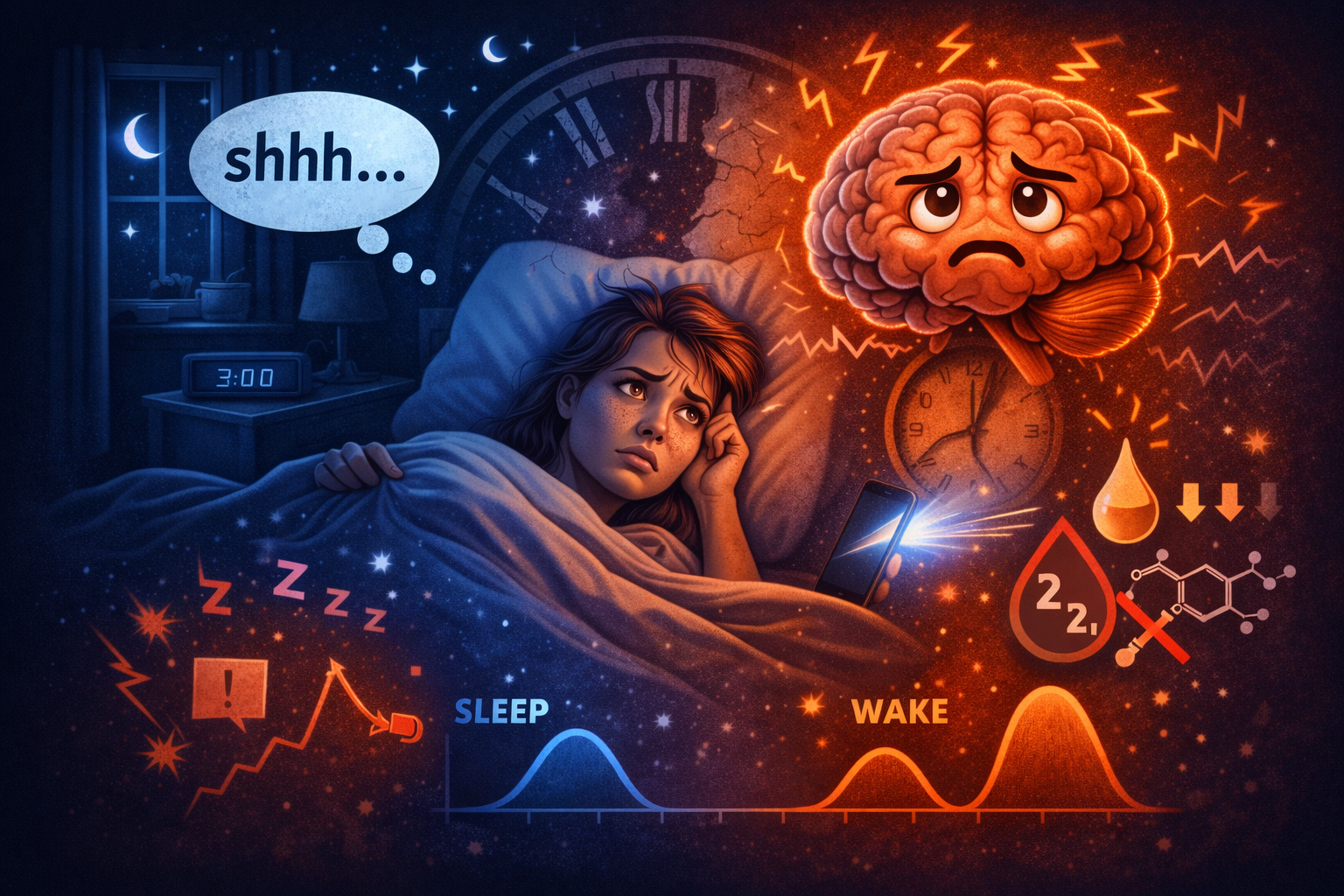
    Many people assume that a quiet bedroom is all they need for good sleep. When sleep feels poor, the first instinct is often to eliminate noise and aim for total silence.

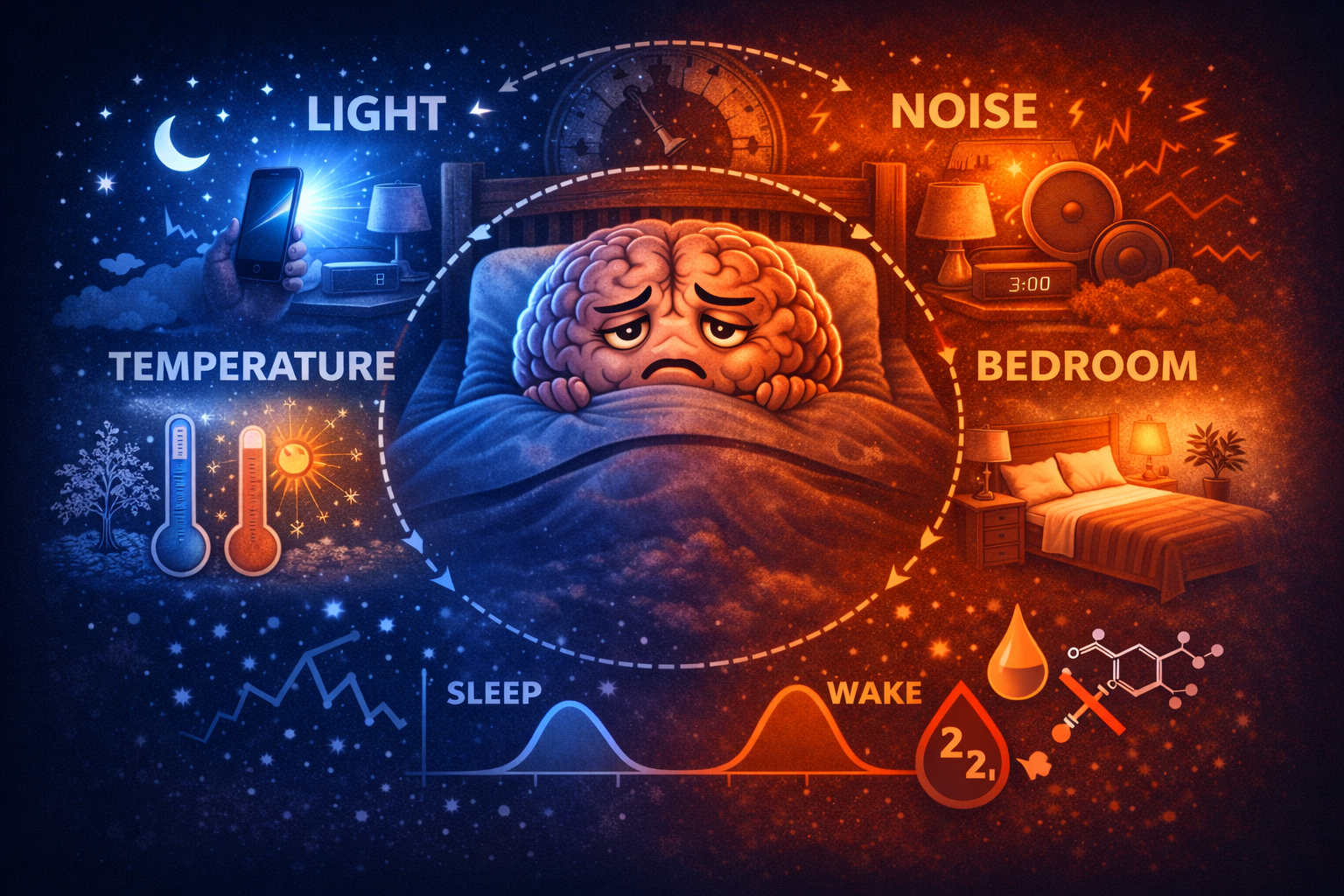
    While reducing noise is important, quiet alone is not enough. Sleep quality depends on a combination of environmental signals that tell the brain it is safe to fully shut down. Without the right balance of light, temperature, stability, and predictability, even a silent room can produce shallow, unrefreshing sleep.


    Sleep Requires More Than the Absence of Noise

    The brain looks for safety, not silence.

    During sleep, the brain continuously evaluates the environment. Silence removes one potential threat, but it does not automatically signal safety or readiness for deep sleep.

    Other factors can keep alert systems partially active even in total quiet.


    Why Silence Can Increase Sensitivity

    Absolute silence can backfire.

    In very quiet environments, the brain becomes more sensitive to small disturbances. Minor sounds that would otherwise go unnoticed can trigger micro-arousals because they contrast sharply with silence.

    This heightened sensitivity can fragment sleep rather than protect it.


    The Role of Predictability in Sleep Quality

    The brain prefers predictable environments.

    Sleep deepens when conditions remain stable and expected. Silence that is inconsistent—interrupted by occasional sounds—creates uncertainty rather than calm.

    Predictability matters more than complete quiet.


    Light Can Disrupt Sleep Even in Silence

    A quiet room can still be biologically loud.

    Light exposure at night suppresses melatonin, increases alertness, and delays circadian timing. Even dim light can weaken sleep depth.

    Silence cannot compensate for poor light conditions.


    Temperature and Physical Arousal

    Thermal discomfort disrupts sleep.

    If the room is too warm or fluctuates in temperature, the body struggles to cool down. This increases awakenings and prevents sustained deep sleep.

    A quiet but warm room still degrades sleep quality.


    Why the Brain Needs Environmental Stability

    Sleep is a state of vulnerability.

    The brain only allows deep sleep when it perceives stable, safe conditions. Changes in airflow, temperature, light, or subtle vibrations can keep the nervous system partially alert.

    Silence without stability is incomplete.


    The Importance of Background Consistency

    Stable background conditions support sleep.

    A consistent auditory backdrop can sometimes improve sleep more than silence by masking unpredictable noise. The brain adapts more easily to steady input than to sudden contrast.

    Consistency reduces vigilance.


    Emotional Arousal and the Quiet Bedroom

    Quiet does not calm the nervous system by itself.

    If stress levels are high or emotional arousal remains elevated, the brain stays alert even in silence. Sleep requires both environmental calm and internal downregulation.

    Silence alone does not trigger recovery.


    Why People Sleep Poorly in “Perfectly Quiet” Rooms

    Many people report poor sleep despite ideal silence.

    This often reflects missing environmental cues—darkness, coolness, or consistency—that signal nighttime safety. The brain remains in standby mode rather than full sleep mode.

    Quiet is only one piece of the system.


    Building a Truly Sleep-Supportive Environment

    Good sleep environments work as systems.

    Darkness, stable temperature, predictable sound, and sensory comfort work together to signal safety. Removing noise helps—but only when combined with these factors.

    Sleep improves when the whole environment supports recovery.


    Why Sleep Quality Improves When Conditions Align

    When the environment feels safe, sleep deepens naturally.

    The brain stops monitoring for threats and allows uninterrupted progression through sleep stages. Recovery completes without effort.

    This alignment—not silence alone—produces restorative sleep.


    The Core Idea to Remember

    Quiet isn’t enough for good sleep because sleep depends on multiple environmental signals.

    While silence reduces disruption, sleep quality requires darkness, thermal comfort, predictability, and stability. Without these, the brain remains partially alert—even in a quiet room.

    Good sleep happens when the entire environment signals safety, not just the absence of noise.
  • The Role of Environment in Sleep Quality

    The Role of Environment in Sleep Quality

    How light, sound, temperature, and stability determine how well you sleep

    Sleep quality is often blamed on stress, routines, or sleep duration. While these factors matter, the environment in which you sleep plays a decisive role in how deep, continuous, and restorative your sleep actually is.

    The brain does not sleep in isolation. It constantly interprets environmental signals to decide whether it is safe to fully shut down. When the sleep environment is supportive, sleep deepens naturally. When it is disruptive, sleep becomes lighter and fragmented—even if you spend enough time in bed.


    Sleep Quality Depends on Environmental Safety Signals

    The sleeping brain remains responsive.

    Even during deep sleep, the brain monitors the environment for potential threats. Conditions that signal safety allow sleep to deepen. Conditions that signal unpredictability or discomfort keep alert systems partially active.

    Sleep quality reflects how safe the environment feels to the brain.


    Light as a Primary Environmental Factor

    Light strongly influences sleep quality.

    Darkness supports melatonin stability, sleep depth, and continuity. Light exposure at night weakens these processes, even at low intensity.

    A sleep environment that remains dark throughout the night allows the brain to remain in recovery mode.


    Sound and Sleep Fragmentation

    Noise affects sleep even without full awakenings.

    Sudden or irregular sounds trigger micro-arousals that fragment sleep stages. Over time, this reduces deep sleep and REM sleep, making rest feel shallow.

    A stable auditory environment supports uninterrupted sleep.


    Temperature and Physical Comfort

    Temperature determines sleep depth.

    A slightly cool environment helps the body lower core temperature, which is required for deep sleep. Excess warmth increases awakenings and lightens sleep.

    Thermal stability matters more than exact temperature values.


    Environmental Consistency Matters More Than Perfection

    Predictability supports sleep.

    The brain adapts best to environments that remain stable across the night. Frequent changes in light, sound, or temperature prevent full adaptation.

    Consistency allows sleep stages to remain uninterrupted.


    Bedding, Materials, and Sensory Input

    Physical contact influences sleep.

    Breathable bedding, comfortable surfaces, and non-irritating materials reduce sensory stimulation. Discomfort increases micro-arousals even when it does not cause waking.

    Sleep quality improves when sensory input is minimized.


    Why the Bedroom Should Be a Dedicated Sleep Space

    Context matters to the brain.

    When the bedroom is associated with rest, darkness, and calm, sleep onset and depth improve. When it is associated with stimulation or work, alert systems remain active.

    Environmental association shapes sleep readiness.


    Environmental Stress and Emotional Regulation

    Sleep environment affects emotional recovery.

    Poor environments increase stress signaling and reduce emotional processing during sleep. Over time, this contributes to mood instability and fatigue.

    Supportive environments enhance emotional regulation overnight.


    Why Sleep Duration Alone Is Misleading

    Long sleep does not guarantee quality sleep.

    If the environment disrupts sleep stages, recovery remains incomplete. People may sleep for many hours yet feel unrefreshed.

    Quality depends on environmental support, not time alone.


    Small Environmental Improvements Add Up

    Sleep responds to cumulative changes.

    Minor improvements—dimming lights, reducing noise, improving airflow—compound over time. The brain responds to patterns rather than dramatic interventions.

    Gradual optimization produces lasting benefits.


    Building a Sleep-Supportive Environment

    A good sleep environment supports biology.

    Darkness, quiet, coolness, and stability work together to signal safety. When these conditions align, sleep becomes deeper and more efficient without effort.

    The environment does the work for you.


    The Core Idea to Remember

    Sleep quality depends heavily on the environment because the brain sleeps best when conditions signal safety and stability.

    Light, sound, temperature, and consistency determine how deeply and continuously you sleep. Without environmental support, sleep becomes lighter and less restorative—even if duration is adequate.

    Improving sleep quality often begins by improving the space where sleep happens.

  • How Noise Affects Sleep Quality

    How Noise Affects Sleep Quality

    Why sound exposure fragments sleep even when you don’t fully wake up

    Sleep quality is often judged by how long you sleep or how quickly you fall asleep. Noise is frequently overlooked—especially when it doesn’t fully wake you. Yet sound is one of the most powerful disruptors of sleep depth and continuity.

    The brain remains responsive to sound throughout the night. Even when you stay asleep, noise can trigger micro-arousals that fragment sleep, reduce deep and REM sleep, and leave you feeling unrefreshed the next day.


    The Sleeping Brain Never Fully Turns Off Hearing

    Hearing stays active during sleep.

    Unlike vision, the auditory system continues to monitor the environment for potential threats. This evolutionary feature increases safety—but it comes at a cost in modern environments.

    Noise keeps parts of the brain on alert, preventing full shutdown.


    How Noise Causes Micro-Arousals

    Most noise disruptions are invisible.

    Sounds don’t need to wake you fully to disrupt sleep. Brief increases in brain activity—called micro-arousals—pull the brain out of deeper sleep stages for seconds at a time.

    You may not remember waking up, but sleep quality still declines.


    Why Intermittent Noise Is Worse Than Constant Noise

    Irregular sounds are more disruptive.

    Sudden or unpredictable noises—traffic, voices, doors, notifications—trigger stronger brain responses than steady background noise.

    The brain cannot habituate to unpredictability, increasing fragmentation.


    Noise and Deep Sleep Reduction

    Deep sleep is highly sensitive to sound.

    Noise reduces the amount of time spent in slow-wave sleep, the stage responsible for physical recovery, immune function, and neural repair.

    Even small reductions in deep sleep impact how restored you feel.


    REM Sleep and Sound Sensitivity

    REM sleep is easily disrupted by noise.

    Because REM sleep involves higher brain activity, it is more vulnerable to auditory disturbances. Noise fragments REM cycles, reducing emotional processing and mental clarity.

    Poor REM sleep contributes to mood instability and cognitive fog.


    Why You Feel Tired After a Noisy Night

    Sleep duration can be misleading.

    You may sleep for many hours, yet feel exhausted because noise prevented sustained deep and REM sleep. Recovery processes were repeatedly interrupted.

    The problem isn’t how long you slept—it’s how continuously.


    Noise and Stress Activation

    Noise triggers stress responses.

    Sudden sounds increase heart rate, blood pressure, and stress signaling—even during sleep. Over time, this increases baseline stress and reduces resilience.

    Nighttime noise prevents full nervous system downregulation.


    Why the Brain Reacts to Familiar Sounds

    Familiar sounds still matter.

    Even noises you “get used to,” like traffic or appliances, can continue to trigger micro-arousals. The brain prioritizes safety over comfort.

    Habituation is often incomplete.


    Noise Timing Matters

    Noise early in the night affects sleep onset.

    Noise later in the night disrupts REM sleep and causes early awakenings. Both reduce sleep quality, but late-night noise often has stronger emotional effects.

    Timing influences which sleep stages are disrupted.


    Why Silence Isn’t Always the Solution

    Absolute silence can feel uncomfortable.

    In some cases, very quiet environments make the brain more sensitive to sudden sounds. This can increase reactivity rather than reduce it.

    The goal is sound stability, not total silence.


    How Consistent Background Noise Can Help

    Stable sound reduces contrast.

    Consistent background noise can mask sudden sounds, reducing micro-arousals. The brain adapts more easily to predictable auditory input.

    This explains why some people sleep better with steady background sound.


    Improving Sleep Quality by Managing Noise

    Protecting sleep from noise improves recovery.

    Reducing unpredictable sounds, improving sound insulation, and stabilizing the auditory environment help the brain remain in deeper sleep stages.

    Even small improvements increase sleep efficiency.


    The Core Idea to Remember

    Noise affects sleep quality by fragmenting sleep, not just waking you up.

    Through micro-arousals and stress activation, sound reduces deep and REM sleep even when you remain asleep. Sleep becomes lighter and less restorative.

    Better sleep quality often comes from quieter—or more stable—nights, not longer ones.