Tag: sleep health

  • How to Build a Sleep-Friendly Lifestyle

    How to Build a Sleep-Friendly Lifestyle

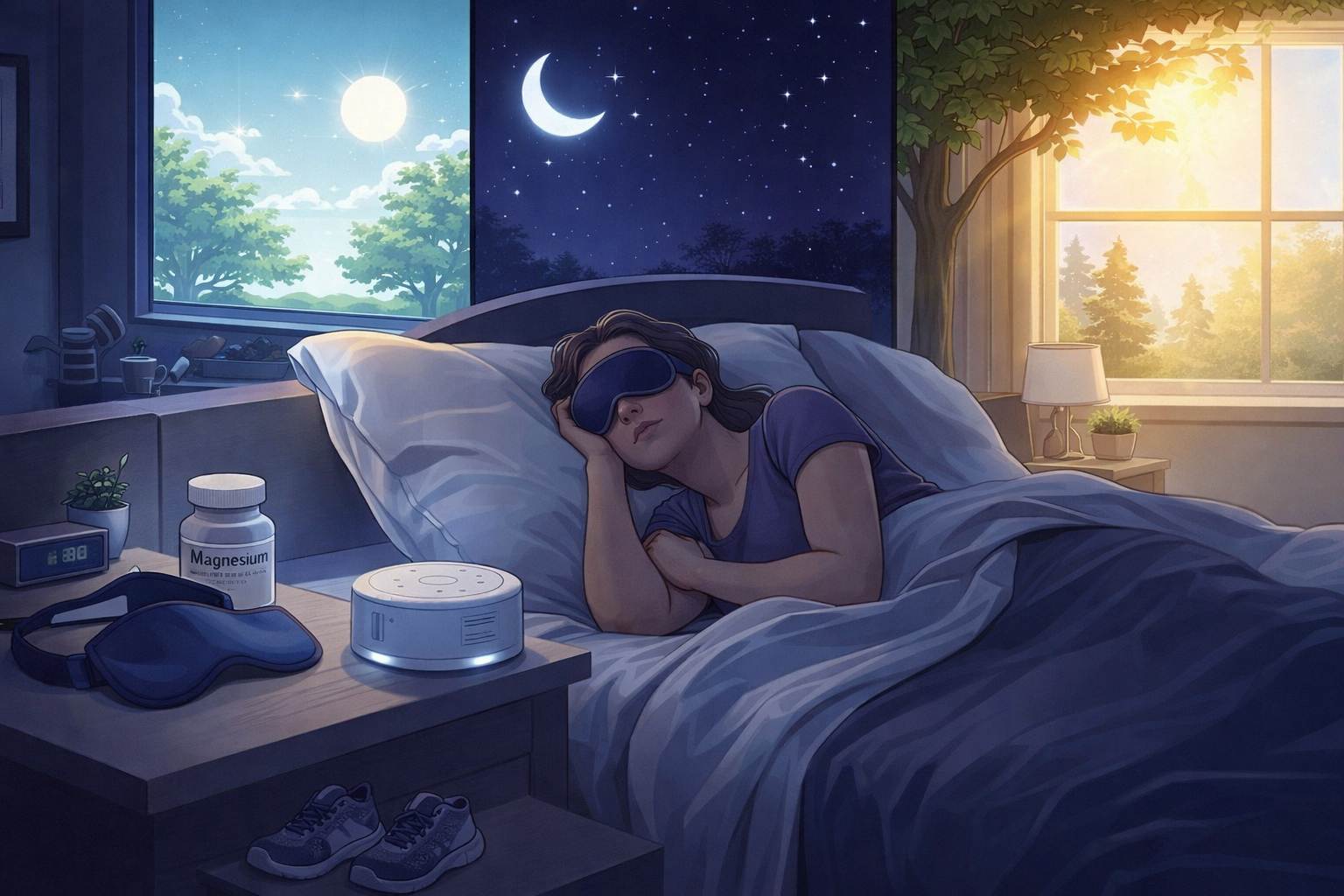
    How daily habits, light, and environment shape your brain’s ability to rest

    Sleep is not an isolated event. It is the result of biological processes that unfold throughout the entire day. The brain does not suddenly switch into sleep mode at night. Instead, it gradually transitions based on signals related to light exposure, behavior, timing, and environment.

    A sleep-friendly lifestyle is not built at bedtime. It is built through consistent signals that teach the brain when to be alert and when to disengage.

    Understanding these signals helps explain why sleep improves naturally when daily rhythms align with the brain’s expectations.


    Light Exposure Sets the Foundation

    Light is the most powerful regulator of the circadian rhythm, the internal system that controls sleep timing, hormone release, and alertness.

    Exposure to natural light early in the day strengthens the brain’s sense of timing. It reinforces the distinction between day and night, helping alertness rise during waking hours and decline in the evening.

    At night, the opposite becomes important.

    Artificial light, especially in dark environments, can delay the brain’s transition into sleep. Even low levels of light can signal alertness to parts of the nervous system that monitor the environment.

    Reducing light exposure helps remove this signal.
    Some people use a comfortable sleep mask to create complete darkness and minimize visual stimulation, supporting the brain’s transition into a sleep-ready state.


    Consistency Teaches the Brain When to Sleep

    The brain relies heavily on patterns.

    Going to sleep and waking at consistent times allows internal systems to anticipate rest. Hormones such as melatonin begin to rise predictably, and alertness naturally declines.

    Irregular timing weakens these signals.

    When sleep and wake times shift frequently, the brain cannot prepare efficiently. Sleep becomes less stable, even if total duration appears sufficient.

    Consistency strengthens sleep more effectively than occasional attempts to compensate with extra hours.


    The Environment Influences Nighttime Alertness

    The sleeping environment communicates safety or uncertainty to the brain.

    When the brain detects unpredictable sensory input, it maintains a level of alertness in order to monitor potential changes. This process occurs automatically and can interfere with the transition into deeper sleep.

    Stable sensory conditions reduce this monitoring response.

    Consistent background sound, such as white noise, can help mask sudden environmental changes and support a more stable sleep environment by reducing the brain’s need to remain vigilant.


    The Nervous System Must Shift Out of Alert Mode

    Sleep requires the nervous system to move away from problem-solving and threat detection.

    Stress, cognitive overload, and constant stimulation keep alertness systems active longer than necessary. Even when the body feels tired, the brain may remain engaged.

    A sleep-friendly lifestyle includes periods of reduced stimulation that allow alertness to decline gradually.

    Supporting this transition is partly physiological.
    Some people include magnesium glycinate in their evening routine, as it plays a role in nervous system regulation and relaxation processes involved in sleep readiness.


    Daily Behavior Shapes Nighttime Sleep

    Sleep quality is influenced by what happens during waking hours.

    Physical activity, mental engagement, and exposure to daylight strengthen sleep pressure, the biological drive that builds throughout the day.

    At the same time, excessive stimulation late in the evening can delay the brain’s ability to disengage.

    Sleep emerges more easily when the brain has experienced a clear distinction between active periods and rest periods.

    This distinction helps the nervous system recognize when sleep is appropriate.


    Sleep Is the Result of Rhythm, Not Effort

    One of the most common misconceptions is that sleep can be forced through effort.

    In reality, sleep occurs when alertness systems release control. This release depends on timing, environment, and nervous system state.

    A sleep-friendly lifestyle works by aligning these factors.

    Light exposure, consistent timing, environmental stability, and reduced stimulation create the conditions that allow sleep to emerge naturally.

    When these signals are present, the brain does not need to be forced into sleep. It follows the rhythm it was designed to maintain.


    The Core Idea to Remember

    Sleep is not built at night. It is built throughout the day.

    A lifestyle that supports natural rhythms teaches the brain when to be alert and when to rest. Over time, sleep becomes more stable, deeper, and more restorative — not because it is controlled, but because the conditions allow it to happen.


  • The Biological Cost of Ignoring Sleep

    The Biological Cost of Ignoring Sleep

    How chronic sleep neglect quietly damages brain function, metabolism, and resilience

    Sleep is often treated as optional — something to sacrifice in the name of productivity, deadlines, or lifestyle. Skipping sleep is normalized, and its consequences are usually framed as short-term tiredness that can be fixed later.

    Biologically, however, sleep is not optional. Ignoring it carries a real cost that accumulates silently over time. When sleep is consistently reduced, mistimed, or disrupted, the body begins to pay that cost across multiple systems, often long before serious symptoms are recognized.


    Sleep Is a Core Biological Requirement

    Sleep is not a passive break from wakefulness.

    It is an active biological state during which the brain and body perform essential maintenance. Neural repair, metabolic regulation, immune coordination, and emotional processing all depend on adequate sleep.

    When sleep is ignored, these processes do not simply pause — they degrade. The body continues to function, but with reduced efficiency and increased strain.


    The Brain Pays the First Price

    The brain is especially sensitive to sleep loss.

    Even modest, chronic sleep reduction impairs attention, memory formation, decision-making, and emotional regulation. Reaction times slow, mental flexibility decreases, and cognitive errors increase.

    Importantly, these changes often occur before a person feels severely tired. Performance declines silently, while subjective awareness lags behind.


    Metabolic Disruption and Energy Dysregulation

    Sleep plays a critical role in regulating metabolism.

    Ignoring sleep disrupts glucose processing, appetite hormones, and energy balance. Hunger cues become less reliable, cravings intensify, and energy levels fluctuate unpredictably.

    Over time, metabolic efficiency declines, increasing biological stress even in people who appear otherwise healthy.


    Hormonal Imbalance and Stress Load

    Sleep regulates hormonal systems that control stress and recovery.

    When sleep is reduced or irregular, stress hormones remain elevated longer than they should. Recovery signals weaken, and the body remains in a state of heightened alertness.

    This imbalance increases physiological wear and reduces the ability to recover from daily demands, even when stress levels appear manageable on the surface.


    Immune Function Under Sleep Debt

    The immune system depends on sleep to function properly.

    During sleep, immune signaling is coordinated and inflammatory responses are regulated. Ignoring sleep weakens this coordination, reducing resilience to illness and slowing recovery.

    Chronic sleep neglect does not always result in immediate sickness, but it lowers the body’s margin of safety over time.


    Emotional Regulation and Psychological Cost

    Sleep is essential for emotional stability.

    Insufficient or mistimed sleep amplifies emotional reactivity, reduces tolerance for stress, and weakens mood regulation. Small challenges feel larger, and emotional recovery becomes slower.

    These effects are often misattributed to personality or external stress rather than biological fatigue.


    Why the Body Can’t Fully Adapt to Sleep Loss

    Many people believe the body adapts to reduced sleep.

    While short-term compensation is possible, true adaptation is limited. The brain can mask symptoms temporarily, but underlying biological costs continue to accumulate.

    Performance may feel “normal,” but efficiency declines, and the margin for error shrinks.


    The Illusion of Functioning Normally

    One of the most dangerous aspects of chronic sleep neglect is reduced self-awareness.

    Sleep-deprived individuals often underestimate the degree of their impairment. The brain’s ability to evaluate its own performance declines alongside performance itself.

    This creates the illusion of coping while biological strain increases.


    Long-Term Accumulation of Biological Cost

    The cost of ignoring sleep is cumulative.

    Each night of inadequate or mistimed sleep adds to an ongoing deficit. Over months and years, this deficit affects cognitive resilience, emotional balance, metabolic health, and overall biological stability.

    The body does not forget missed sleep — it carries the consequences forward.


    Why Recovery Takes Time

    Recovering from chronic sleep neglect is not immediate.

    The circadian rhythm, hormonal systems, and neural processes require time to stabilize once sleep is restored. Short bursts of extra sleep cannot fully erase long-term disruption.

    Biological systems heal gradually when consistent, well-timed sleep returns.


    The Core Idea to Remember

    Ignoring sleep carries a real biological cost.

    That cost is paid in reduced brain efficiency, metabolic instability, emotional fragility, and diminished resilience — often long before obvious symptoms appear.

    Sleep is not a luxury or a reward for productivity. It is a foundational biological process. Protecting it protects the systems that allow the body and brain to function at all.

  • Can You Really Catch Up on Lost Sleep?

    Can You Really Catch Up on Lost Sleep?

    The idea of “catching up” on sleep is deeply ingrained in modern life. We work late, sleep less during the week, and tell ourselves we’ll recover on the weekend. A few extra hours on Saturday morning feel like a reset button — at least psychologically.
    But the human body doesn’t operate on that kind of accounting system. Sleep isn’t a debt you can simply repay in bulk, and believing otherwise often leads to chronic fatigue that never fully resolves.

    Understanding why requires looking beyond how tired you feel and focusing on how sleep loss actually affects the brain and body over time.


    The Science Behind Sleep Debt

    Sleep debt accumulates whenever sleep duration or quality consistently falls below what your body needs. For most adults, that threshold sits between seven and nine hours per night, though individual requirements vary.

    Two biological systems are central here:

    • Homeostatic sleep pressure, which builds the longer you stay awake

    • The circadian rhythm, your internal clock that regulates hormones, alertness, and body temperature

    When you miss sleep, homeostatic pressure increases, making you feel sleepy. This part can be temporarily reduced by sleeping longer the next day.
    The circadian system, however, is far less flexible. It adapts slowly and resists sudden shifts, especially when sleep timing becomes irregular.

    Research shows that after repeated nights of restricted sleep, cognitive performance continues to decline even when people report feeling “used to it.” The brain adapts subjectively, not functionally.


    Why Catching Up Rarely Works the Way We Expect

    Sleeping longer after deprivation does provide some relief, but the recovery is incomplete. Studies tracking reaction time, attention, and decision-making consistently show that these functions recover much more slowly than perceived tiredness.

    Weekend “catch-up sleep” often introduces a new problem: circadian misalignment. Sleeping late shifts your internal clock, making it harder to fall asleep on Sunday night. The result is a cycle that repeats every week, sometimes referred to as social jet lag.

    Rather than restoring balance, irregular recovery sleep can reinforce instability in sleep timing, hormone release, and energy regulation.

    Environmental consistency also matters during recovery.
    Creating a dark sleep environment, sometimes with the help of a comfortable sleep mask, can reduce sensory input and support more stable sleep cycles.


    Factors That Influence Recovery

    Not all sleep loss affects the body equally. Several variables determine whether recovery is partial or prolonged:

    • Duration of deprivation: A few short nights differ greatly from months of chronic sleep restriction

    • Consistency of recovery: Gradual extension over multiple nights works better than a single long sleep

    • Timing: Earlier bedtimes support recovery more effectively than sleeping late into the morning

    • Sleep quality: Fragmented or light sleep limits restoration regardless of duration

    • Supporting deeper and more stable sleep can help the brain complete its recovery processes more efficiently.
      Some people include magnesium glycinate in their evening routine, as it plays a role in nervous system regulation and sleep quality.
    • Age and stress: Both slow physiological recovery

    The body prioritizes rhythm and regularity over occasional compensation.


    Real-World Consequences of Chronic Sleep Debt

    The belief that lost sleep can always be reclaimed encourages behaviors that quietly erode health. Chronic sleep debt has been linked to impaired glucose regulation, weakened immune response, mood instability, and reduced cognitive flexibility.

    Perhaps more concerning is how sleep debt alters self-perception. People consistently underestimate how impaired they are, which affects judgment, productivity, and safety. This mismatch between perception and performance is one reason chronic sleep loss persists unnoticed.


    The Takeaway

    You can recover some lost sleep, but you can’t erase chronic sleep debt through occasional catch-up nights. Sleep works less like a bank account and more like a biological rhythm that requires consistency to function well.

    If you’re regularly trying to catch up, that’s a sign your baseline sleep schedule needs adjustment. True recovery comes not from extremes, but from protecting sleep as a daily priority.

    Minimizing unpredictable sensory disturbances at night can also support this process.
    Some people use consistent background sound, such as white noise, to create a more stable sleep environment.