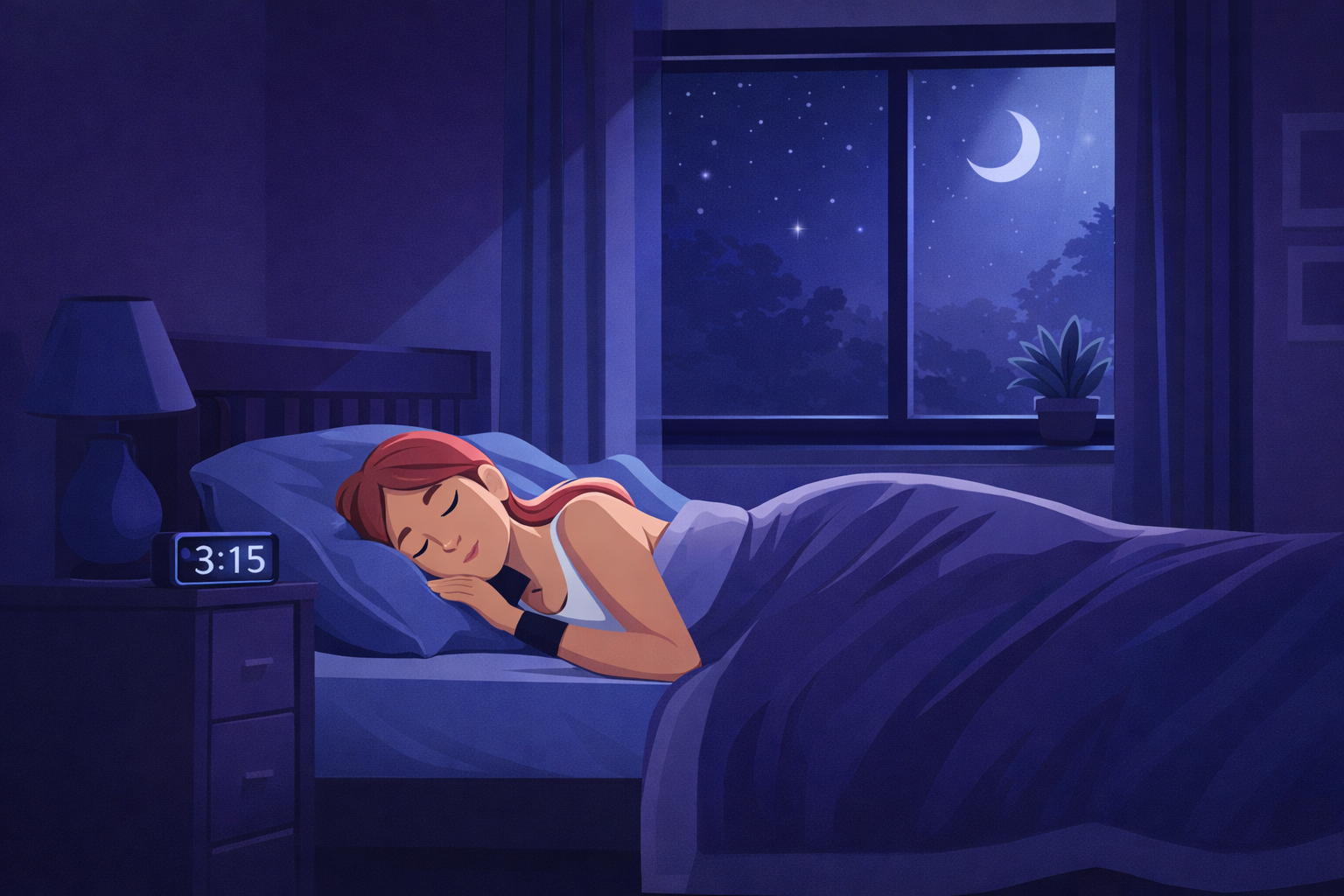
Tag: sleep science

  • What “Good Sleep” Actually Means Scientifically

    What “Good Sleep” Actually Means Scientifically

    Most people believe they know what good sleep looks like. If you sleep for seven or eight hours, don’t wake up too often, and feel reasonably rested in the morning, you assume your sleep is “good enough.”
    But from a scientific perspective, good sleep is not defined by hours alone — and it’s not always obvious from how you feel when you wake up.

    Sleep quality is a biological process, not a subjective impression. To understand what good sleep actually means, it’s necessary to look beyond duration and examine how the brain and body recover during the night.


    Why sleep duration is an incomplete measure

    Sleep duration is the most commonly used metric when people talk about sleep health. While total sleep time does matter, it tells only part of the story.

    Two people can sleep the same number of hours and experience vastly different levels of recovery. One may wake up mentally clear and energized, while the other feels foggy, heavy, and unfocused. The difference lies not in how long they slept, but in how that sleep unfolded biologically.

    Good sleep depends on structure, timing, and continuity — not just on how many hours pass between bedtime and wake-up.


    The architecture of good sleep

    Scientifically, sleep is divided into multiple stages that repeat in cycles throughout the night. These stages are not interchangeable. Each one plays a distinct role in restoration.

    Deep sleep is critical for physical recovery and brain maintenance. During this stage, the brain reduces external responsiveness, metabolic waste is cleared more efficiently, and the nervous system downshifts into a state of repair.

    REM sleep, on the other hand, supports emotional regulation, memory integration, and cognitive flexibility. It helps the brain process experiences and maintain mental balance.

    Good sleep is not about maximizing one stage at the expense of the other. It’s about allowing these stages to occur in the right proportions and at the right times.


    Why timing matters as much as structure

    Even perfectly structured sleep can lose its restorative value if it occurs at the wrong biological time. Sleep is regulated by the circadian rhythm, an internal clock that determines when the brain is most prepared for rest.

    Sleeping out of sync with this rhythm disrupts the natural progression of sleep stages. Deep sleep may become fragmented, REM sleep may be shortened, and transitions between stages may be less efficient.

    This is why sleeping during irregular hours often feels less refreshing, even if the total duration appears adequate. Good sleep is aligned sleep.


    Continuity: the hidden factor in sleep quality

    Another defining feature of good sleep is continuity. Frequent awakenings — even brief ones that you don’t remember — interrupt the natural cycling of sleep stages.

    Each disruption forces the brain to reinitiate parts of the sleep process, reducing the depth and effectiveness of recovery. Over time, fragmented sleep can produce the same cognitive and emotional effects as insufficient sleep.

    Good sleep is not perfectly uninterrupted, but it is relatively stable. The fewer unnecessary awakenings occur, the more restorative the night becomes.


    Why “feeling rested” is not a reliable indicator

    It’s tempting to judge sleep quality based solely on how you feel in the morning. While subjective perception matters, it is not always accurate.

    Stress, adrenaline, and habitual sleep deprivation can mask fatigue temporarily. Some people feel alert despite being biologically under-recovered, while others feel groggy even after adequate rest due to circadian timing or sleep inertia.

    Scientific sleep quality is defined by what happens during the night, not just by morning sensations.


    What good sleep does for the brain

    When sleep is truly good, the effects extend far beyond feeling less tired. Cognitive performance improves, emotional regulation becomes more stable, and mental resilience increases.

    Good sleep supports attention, memory consolidation, problem-solving ability, and emotional balance. It also reduces the brain’s sensitivity to stress and enhances recovery from daily cognitive demands.

    These benefits are cumulative. Consistently good sleep builds long-term cognitive health, while poor sleep slowly erodes it — often without immediate warning signs.


    Why modern habits often degrade sleep quality

    Modern life frequently undermines the conditions required for good sleep. Artificial light exposure at night delays circadian signals, irregular schedules confuse the brain’s timing system, and constant stimulation prevents proper physiological wind-down.

    As a result, many people sleep regularly without ever achieving truly high-quality rest. They are not insomniac, but they are not fully restored either.

    Understanding this distinction is crucial. Poor sleep quality is often normalized because it feels common, not because it is healthy.


    The scientific definition of good sleep

    From a scientific standpoint, good sleep is characterized by:

    • sufficient duration for the individual

    • proper alignment with the circadian rhythm

    • stable sleep architecture with adequate deep and REM sleep

    • minimal unnecessary fragmentation

    When these conditions are met, recovery happens naturally. Energy, focus, and emotional balance emerge as byproducts of biological alignment — not effort.


    The key takeaway

    Good sleep is not something you guess or hope for. It is a measurable biological process shaped by timing, structure, and consistency.

    Understanding what good sleep actually means scientifically changes how you approach rest. Instead of chasing hours or quick fixes, the focus shifts toward alignment and quality.

    This perspective lays the foundation for improving sleep in a way that supports long-term mental clarity, resilience, and well-being.
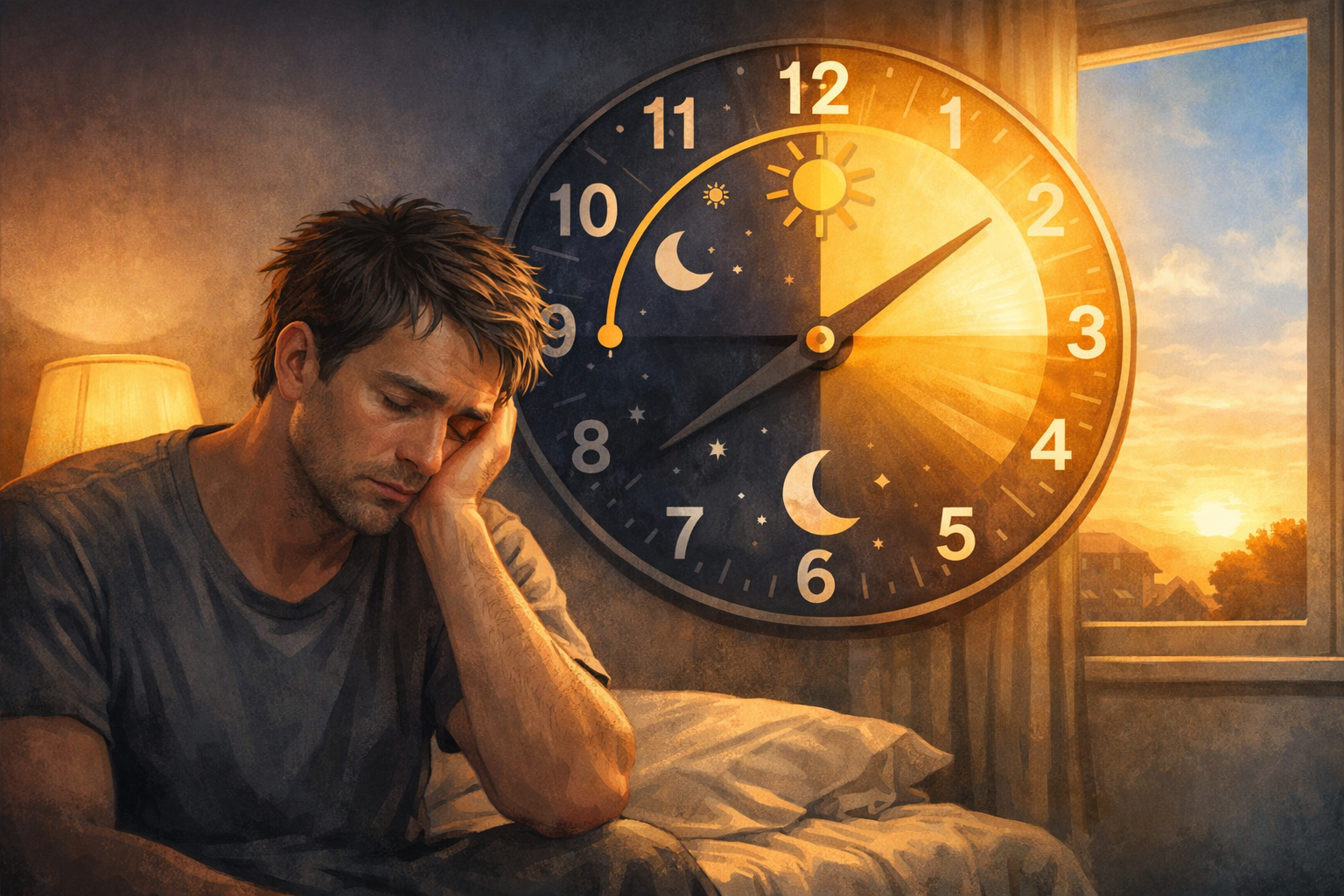

  • Circadian Rhythm: The Hidden Clock That Controls Your Energy

    Circadian Rhythm: The Hidden Clock That Controls Your Energy

    Most people assume their daily energy depends on how motivated they feel, how busy their schedule is, or how many hours they slept the night before. When energy drops, the instinctive solution is simple: sleep more, push harder, drink more coffee.
    But energy is not random — and it’s not controlled by willpower.

    Behind every moment of mental clarity or exhaustion, there is a biological system quietly working in the background: the circadian rhythm.

    This internal clock doesn’t just decide when you feel sleepy. It regulates alertness, focus, reaction time, mood, and how efficiently your brain functions throughout the day. Understanding how it works is the first step to understanding why you feel energized at some times — and completely drained at others.


    What the circadian rhythm really is

    The circadian rhythm is a roughly 24-hour biological cycle that exists in every human being. It evolved to synchronize your body with the natural light–dark cycle of the planet.

    At its core, it’s a timing system. It tells your body when to be alert, when to rest, when to release certain hormones, and when to conserve energy. While a central “clock” in the brain helps coordinate this rhythm, the system is much broader. Cells throughout your body follow circadian signals, meaning your entire physiology runs on time.

    This is why the circadian rhythm affects far more than sleep alone. It influences digestion, body temperature, cognitive performance, and emotional regulation. Sleep is just one visible output of a deeper timing mechanism.


    How your internal clock controls energy and focus

    Your energy levels follow a predictable biological curve each day. You are not designed to feel equally alert at all hours.

    During certain windows, your brain is biologically primed for focus, learning, and decision-making. At other times, mental fog, slower reaction time, and fatigue are normal — even if you slept “enough.”

    This explains why energy crashes often happen at similar times each day, such as the early afternoon. It also explains why forcing productivity outside your natural rhythm often feels harder than it should.

    When your circadian rhythm is aligned, energy feels effortless. When it’s misaligned, everything requires more effort — even simple mental tasks.


    Why sleep duration alone doesn’t guarantee energy

    One of the most common misconceptions about sleep is that more hours automatically mean more energy. In reality, timing matters just as much as duration.

    You can sleep eight hours and still wake up exhausted if those hours occurred at the wrong biological time. Sleeping out of sync with your circadian rhythm disrupts the natural progression of sleep stages and reduces the restorative value of rest.

    This is why some people feel better after six well-timed hours than after nine poorly timed ones. Energy is not just about quantity — it’s about biological alignment.


    What happens when the circadian rhythm is disrupted

    When your internal clock is consistently misaligned, the effects accumulate. At first, the symptoms may seem subtle: difficulty concentrating, low motivation, or feeling “off” during the day.

    Over time, disruption can lead to persistent brain fog, unrefreshing sleep, emotional instability, and a sense of constant fatigue that doesn’t resolve with rest. Importantly, these effects often appear even in people who believe they are sleeping enough.

    The problem isn’t always sleep itself — it’s timing.


    Why modern life pushes the body out of sync

    The circadian rhythm evolved under conditions very different from modern life. Natural light exposure during the day and darkness at night were once reliable signals for the brain.

    Today, artificial lighting, screens, irregular schedules, and constant stimulation blur those signals. Evening light delays the internal clock, while inconsistent sleep times prevent it from stabilizing.

    The result is a body that never fully knows when to be alert and when to rest. Energy becomes unpredictable, and fatigue becomes chronic.


    Understanding energy through biology, not discipline

    One of the most important shifts in perspective is realizing that low energy is not always a personal failure. It’s often a biological signal.

    The circadian rhythm doesn’t respond to motivation or discipline. It responds to timing cues. When those cues are consistent and aligned, energy follows naturally. When they are chaotic, effort alone can’t compensate.

    Understanding this changes how you interpret tiredness. Instead of asking, “Why am I so unmotivated?” the better question becomes, “What is my body being timed to do right now?”


    The key idea to remember

    The circadian rhythm is invisible, but it’s powerful. It shapes how your brain feels long before you consciously notice it.

    Energy is not something you force — it’s something that emerges when biology and timing work together. Once you understand that your internal clock controls energy more than sleep duration or willpower, many daily struggles suddenly make sense.

    Learning how this clock works is the foundation for understanding sleep quality, mental clarity, and long-term well-being.

  • Can You Really Catch Up on Lost Sleep?

    Can You Really Catch Up on Lost Sleep?

    The idea of “catching up” on sleep is deeply ingrained in modern life. We work late, sleep less during the week, and tell ourselves we’ll recover on the weekend. A few extra hours on Saturday morning feel like a reset button — at least psychologically.
    But the human body doesn’t operate on that kind of accounting system. Sleep isn’t a debt you can simply repay in bulk, and believing otherwise often leads to chronic fatigue that never fully resolves.

    Understanding why requires looking beyond how tired you feel and focusing on how sleep loss actually affects the brain and body over time.


    The Science Behind Sleep Debt

    Sleep debt accumulates whenever sleep duration or quality consistently falls below what your body needs. For most adults, that threshold sits between seven and nine hours per night, though individual requirements vary.

    Two biological systems are central here:

    • Homeostatic sleep pressure, which builds the longer you stay awake

    • The circadian rhythm, your internal clock that regulates hormones, alertness, and body temperature

    When you miss sleep, homeostatic pressure increases, making you feel sleepy. This part can be temporarily reduced by sleeping longer the next day.
    The circadian system, however, is far less flexible. It adapts slowly and resists sudden shifts, especially when sleep timing becomes irregular.

    Research shows that after repeated nights of restricted sleep, cognitive performance continues to decline even when people report feeling “used to it.” The brain adapts subjectively, not functionally.


    Why Catching Up Rarely Works the Way We Expect

    Sleeping longer after deprivation does provide some relief, but the recovery is incomplete. Studies tracking reaction time, attention, and decision-making consistently show that these functions recover much more slowly than perceived tiredness.

    Weekend “catch-up sleep” often introduces a new problem: circadian misalignment. Sleeping late shifts your internal clock, making it harder to fall asleep on Sunday night. The result is a cycle that repeats every week, sometimes referred to as social jet lag.

    Rather than restoring balance, irregular recovery sleep can reinforce instability in sleep timing, hormone release, and energy regulation.

    Environmental consistency also matters during recovery.
    Creating a dark sleep environment, sometimes with the help of a comfortable sleep mask, can reduce sensory input and support more stable sleep cycles.


    Factors That Influence Recovery

    Not all sleep loss affects the body equally. Several variables determine whether recovery is partial or prolonged:

    • Duration of deprivation: A few short nights differ greatly from months of chronic sleep restriction

    • Consistency of recovery: Gradual extension over multiple nights works better than a single long sleep

    • Timing: Earlier bedtimes support recovery more effectively than sleeping late into the morning

    • Sleep quality: Fragmented or light sleep limits restoration regardless of duration

    • Supporting deeper and more stable sleep can help the brain complete its recovery processes more efficiently.
      Some people include magnesium glycinate in their evening routine, as it plays a role in nervous system regulation and sleep quality.
    • Age and stress: Both slow physiological recovery

    The body prioritizes rhythm and regularity over occasional compensation.


    Real-World Consequences of Chronic Sleep Debt

    The belief that lost sleep can always be reclaimed encourages behaviors that quietly erode health. Chronic sleep debt has been linked to impaired glucose regulation, weakened immune response, mood instability, and reduced cognitive flexibility.

    Perhaps more concerning is how sleep debt alters self-perception. People consistently underestimate how impaired they are, which affects judgment, productivity, and safety. This mismatch between perception and performance is one reason chronic sleep loss persists unnoticed.


    The Takeaway

    You can recover some lost sleep, but you can’t erase chronic sleep debt through occasional catch-up nights. Sleep works less like a bank account and more like a biological rhythm that requires consistency to function well.

    If you’re regularly trying to catch up, that’s a sign your baseline sleep schedule needs adjustment. True recovery comes not from extremes, but from protecting sleep as a daily priority.

    Minimizing unpredictable sensory disturbances at night can also support this process.
    Some people use consistent background sound, such as white noise, to create a more stable sleep environment.

  • Sleep Debt: What It Is and How It Affects Your Body

    Sleep Debt: What It Is and How It Affects Your Body

    Most people think of sleep as something you can “catch up on.” A late night here, a short night there—no big deal, right? In reality, the body keeps score. When you consistently get less sleep than you need, you accumulate what scientists call sleep debt. And unlike a bad night’s rest, sleep debt doesn’t disappear after one long weekend of sleep.

    Sleep debt quietly alters how your brain, hormones, metabolism, and immune system function. Over time, it affects how you feel, how you perform, and how resilient your body actually is.


    The Science Behind Sleep Debt

    Sleep debt occurs when your sleep duration or quality falls below your biological requirement. For most adults, that requirement sits between 7 and 9 hours per night, but individual needs vary based on genetics, age, and circadian timing.

    From a physiological standpoint, sleep is not passive rest. During sleep—especially deep non-REM sleep—the brain clears metabolic waste through the glymphatic system, restores synaptic balance, and recalibrates neural circuits involved in attention and emotional regulation.

    When sleep is shortened, these processes are incompletely executed. The result is a cumulative deficit that alters brain signaling, stress hormones like cortisol, insulin sensitivity, and inflammatory markers. Importantly, the brain adapts subjectively—you may feel functional—while objective performance continues to decline.


    Main Causes of Sleep Debt

    Sleep debt rarely comes from a single bad night. It is usually the result of chronic patterns:

    • Consistently short sleep due to work schedules, late bedtimes, or early alarms

    • Irregular sleep timing, such as weekday restriction and weekend oversleeping

    • Fragmented sleep, often caused by stress, light exposure, alcohol, or sleep disorders

    • Circadian misalignment, including night shifts or late-night screen exposure

    Even losing 60–90 minutes per night can generate measurable sleep debt within a week.


    How Sleep Debt Affects the Body

    Brain and Cognitive Function
    Sleep debt reduces attention, working memory, decision-making speed, and emotional regulation. Reaction time slows, error rates increase, and mental flexibility declines. Over time, this resembles mild cognitive impairment—even in young adults.

    Hormones and Metabolism
    Insufficient sleep disrupts leptin and ghrelin, hormones that regulate hunger and satiety. This increases appetite, especially for high-calorie foods. Insulin sensitivity decreases, raising the risk of metabolic dysfunction and weight gain.

    Immune Function
    Sleep debt weakens immune response by reducing natural killer cell activity and increasing inflammatory signaling. This makes infections more likely and recovery slower.

    Cardiovascular Stress
    Chronic sleep restriction is associated with elevated blood pressure, impaired vascular function, and increased sympathetic nervous system activity—placing long-term strain on the heart.


    Practical Implications

    The most dangerous aspect of sleep debt is that you don’t feel how impaired you are. Subjective alertness plateaus, while objective performance continues to decline.

    Short-term “recovery sleep” helps, but research shows that repaying sleep debt often requires multiple consecutive nights of adequate sleep—not just one long night.

    The most effective strategy is prevention:

    • Maintain consistent sleep and wake times

    • Protect the last 90 minutes before bed from bright light and stimulation

    • Prioritize sleep duration before optimizing supplements or routines

    Sleep debt is not a productivity problem—it is a biological one.


    Conclusion (Takeaway)

    Sleep debt is not abstract, and it is not optional. It accumulates silently, reshaping how your brain and body function long before obvious symptoms appear. While you can partially recover, the real advantage comes from consistency—not compensation.

    If you want clarity, resilience, and long-term health, sleep cannot remain negotiable.

  • Why Your Brain Feels Foggy After Sleeping

    Why Your Brain Feels Foggy After Sleeping

    You did the “right” thing. You went to bed at a reasonable hour, got a full night of sleep, and still woke up feeling mentally slow—like your head is packed with cotton. Brain fog after sleeping is frustrating because it doesn’t feel like normal tiredness. It’s more like your thinking speed, focus, and memory are lagging behind your body.

    The good news is that post-sleep fog is usually not mysterious. In most cases, it’s a signal that something about your sleep timing, sleep continuity, breathing, or recovery isn’t lining up the way your brain needs. Sleep isn’t just about hours—it’s about architecture, oxygen, and rhythm.

    The science behind morning brain fog

    Your brain runs a nightly “maintenance cycle.” During sleep, it cycles through non-REM and REM stages in patterns that support learning, emotional regulation, immune function, and metabolic cleanup. Deep non-REM sleep (often called slow-wave sleep) is strongly linked to physical recovery and certain memory processes. REM sleep supports emotional processing and cognitive flexibility.

    A key piece most people never hear about: the brain’s waste-clearance system (often discussed in relation to the glymphatic system) appears to be more active during sleep. That doesn’t mean sleep “detoxes” you in a trendy way—but it does mean sleep is a biological reset period where fluid dynamics, neural activity, and hormonal signals shift.

    If the night is fragmented—micro-awakenings you don’t remember, breathing disruptions, or a circadian mismatch—the brain can complete the hours without completing the recovery. The result can be that foggy, low-clarity feeling even after “enough” sleep.

    Another common contributor is sleep inertia: the groggy transition period after waking. Sleep inertia is normal for a short window, but it gets worse when you wake from deep sleep at the wrong time, when your sleep is restricted, or when your circadian rhythm is out of sync.


    The main reasons you feel foggy after sleeping

    1) You’re waking up at the wrong point in your sleep cycle

    If you wake from deep non-REM sleep, your brain can feel slow and heavy. This is classic sleep inertia. It’s why two people can both sleep eight hours and feel completely different depending on when they woke within a cycle.

    What it feels like: slowed thinking, poor short-term memory, difficulty focusing, “I need an hour to become human.”

    Why it happens: your brain is transitioning out of a low-arousal state. The deeper the stage at wake-up, the stronger the inertia.

    2) Your sleep is fragmented, even if you don’t remember waking

    You can be in bed for 8 hours but only get 6.5–7 hours of actual consolidated sleep. Brief awakenings can be caused by stress, temperature shifts, light, noise, alcohol, reflux, or breathing disturbances. Many people don’t remember these awakenings, but the brain still pays the cost.

    What it does: breaks the continuity your brain needs to move smoothly through sleep stages.

    3) Breathing issues are quietly wrecking sleep quality

    Sleep-disordered breathing exists on a spectrum. You don’t need dramatic snoring to have a problem. Even mild airflow limitation can increase micro-arousals and reduce deep and REM sleep.

    Clues to watch for: waking with a dry mouth, morning headaches, unrefreshing sleep, snoring, waking up gasping, or feeling tired despite consistent sleep time.

    If this pattern is frequent, it’s worth treating as a real health signal—not a “sleep hack” problem.

    4) Circadian misalignment: your sleep timing doesn’t match your internal clock

    Your circadian rhythm is your body’s timekeeper. When your schedule (sleep/wake times, light exposure, meal timing) conflicts with your biological night, sleep can become lighter and less restorative.

    Common example: sleeping late on weekends, then forcing an early wake-up on Monday. That “social jet lag” can create brain fog and mood drag even with adequate hours.

    5) Alcohol, late caffeine, or heavy late meals

    Alcohol can make you fall asleep faster, but it tends to fragment sleep later in the night and reduce REM. Late caffeine can reduce sleep depth even when you feel like you “slept fine.” Heavy late meals or reflux can trigger micro-awakenings.

    Result: you get time in bed, but your brain doesn’t get the quality it needs.

    6) Stress and hyperarousal

    A busy nervous system can keep the brain “half online.” Even when you sleep, you may not fully downshift. People often describe this as sleeping but not recovering.

    Signs: tense jaw/shoulders in the morning, vivid stress dreams, waking too early, racing thoughts at bedtime.

    7) Dehydration or low morning blood pressure swings

    Some people wake foggy because their morning physiology is sluggish: dehydration, low blood volume, or quick postural changes can contribute to “mental haze,” especially if combined with poor sleep.

    This isn’t the main driver for most people, but it can amplify the feeling.


    Practical implications: what to do (without turning your life into a checklist)

    A) Stabilize your wake time first

    If you only fix one thing, fix the wake time. A consistent wake time anchors circadian rhythm and improves sleep depth over time.

    Goal: keep wake time within a 60-minute window, even on weekends.

    B) Get bright light early (and dim light late)

    Morning light helps set your circadian clock. Evening light—especially bright indoor light—can push your rhythm later.

    Simple move: 10–20 minutes of outdoor light early in the day, and dim screens/lights in the last hour before bed.

    C) Reduce fragmentation

    • Keep the bedroom cool and dark

    • Control noise (white noise can help)

    • Avoid alcohol close to bedtime

    • Watch late meals if reflux is an issue

    D) If sleep inertia is your main problem, adjust timing

    Try shifting bedtime slightly earlier or later by 20–30 minutes for a week and see if wake-ups feel clearer. Sometimes you’re consistently waking during deeper sleep because your schedule is slightly off your natural rhythm.

    E) Don’t ignore breathing red flags

    If you suspect sleep-disordered breathing, this is one of the highest ROI areas to investigate. It’s not about “optimizing”—it’s about getting back the sleep quality you’re supposed to have.

    F) Give your brain 15–30 minutes to come online

    Even great sleepers can feel a bit foggy immediately after waking. Gentle movement, water, and daylight can shorten the transition.


    Conclusion (Takeaway)

    Brain fog after sleeping usually means you’re getting sleep time without enough sleep quality. The most common culprits are waking from deep sleep (sleep inertia), fragmented sleep you don’t remember, breathing disruption, and circadian misalignment.

    If this is happening often, don’t just chase longer sleep. Anchor your wake time, use light intelligently, reduce fragmentation, and treat breathing as a serious variable—not an afterthought. When your sleep is structured well, your mornings stop feeling like a mental uphill climb.

  • Circadian Rhythm: The Hidden Clock That Controls Your Energy

    Circadian Rhythm: The Hidden Clock That Controls Your Energy

    Circadian Rhythm: The Hidden Clock That Controls Your Energy

    Your energy levels are not random.

    They are regulated by an internal biological clock called the circadian rhythm.

    This clock influences when you feel alert, tired, focused, or mentally foggy — often more than sleep duration itself.


    What the Circadian Rhythm Really Is

    The circadian rhythm is a roughly 24-hour cycle that regulates essential bodily functions.

    It affects:

    • sleep and wakefulness

    • body temperature

    • hormone release

    • mental performance

    Unlike habits, this clock is driven by biology, not willpower.


    Why Energy Depends on Timing, Not Just Sleep

    Many people sleep enough hours but still feel drained.

    That’s because sleep quality depends on when sleep happens, not only how long it lasts.

    When sleep occurs out of sync with the circadian rhythm, recovery suffers.

    Energy drops.
    Focus fades.
    Mental clarity declines.


    Light Is the Main Reset Signal

    The circadian rhythm resets daily using light exposure.

    Morning light strengthens the biological day.

    Evening light delays the biological night.

    When light timing is inconsistent, the internal clock drifts — and energy becomes unstable.


    How Modern Life Disrupts the Internal Clock

    Late nights, artificial lighting, and irregular schedules confuse circadian timing.

    The brain receives mixed signals:

    • daytime stimulation at night

    • insufficient light during the morning

    Over time, this mismatch leads to fatigue, poor sleep, and reduced cognitive performance.


    How to Support a Healthy Circadian Rhythm

    Supporting circadian alignment doesn’t require extreme routines.

    What helps most:

    • consistent wake-up times

    • exposure to natural light early in the day

    • dimmer lighting in the evening

    • predictable daily patterns

    Small signals, repeated daily, create stability.


    Final Thoughts

    Your circadian rhythm quietly controls how you feel every day.

    When it’s aligned, energy feels natural.

    When it’s disrupted, fatigue follows — regardless of how long you sleep.

    Understanding this clock is the first step toward real recovery.

    When the circadian rhythm is misaligned, overall sleep quality and daily energy levels decline.

  • Why You Wake Up Tired Even After 8 Hours of Sleep

    Why You Wake Up Tired Even After 8 Hours of Sleep

    Waking up tired after a full night of sleep is frustrating.

    You go to bed early, sleep 7–9 hours, and still feel exhausted the next morning.

    This usually has nothing to do with willpower or “bad habits.”

    In most cases, the problem isn’t how long you sleep — it’s how your sleep is structured.

    ## What Most Sleep Articles Get Wrong


    Most sleep advice focuses on surface-level habits: go to bed earlier, avoid screens, drink

    less caffeine.

    While these tips aren’t wrong, they’re incomplete.

    Sleep is not a checklist.

    It’s a biological process driven by timing, light exposure, nervous system regulation

    , and consistency.

    Without understanding these mechanisms, even “perfect” habits can fail.

    ## Why You Still Feel Tired After a Full Night of Sleep


    Waking up tired after 7–9 hours of sleep usually has nothing to do with willpower or “bad habits.”

    In most cases, the problem isn’t how long you sleep — it’s how your sleep is structured.

    Sleep quality depends on:

    – Circadian rhythm alignment
    – Sleep depth and continuity
    – Nervous system regulation
    – Light exposure and timing
    – Consistency across days, not perfection

    If even one of these factors is off, you can wake up exhausted despite spending

    enough time in bed.

    Sleep quality depends heavily on how the circadian rhythm is regulated.

    ## The Role of Circadian Rhythm and Light Exposure


    Your circadian rhythm is your internal clock. It controls when you feel awake

    , sleepy, alert, or foggy.

    This clock is primarily set by light — not by bedtime.

    Morning light exposure tells your brain when the day starts. Evening darkness tells it when

    to prepare for sleep.

    If your light timing is inconsistent, your sleep schedule can look “correct” on paper

    while your biology is completely out of sync.

    Common circadian disruptors include:

    – Waking up at different times each day
    – Late-night screen exposure
    – Insufficient morning daylight
    – Sleeping in on weekends

    When your circadian rhythm is misaligned, sleep becomes

    lighter, fragmented, and less restorative.

    ## Why Sleep Depth Matters More Than Sleep Duration


    Sleeping longer does not automatically mean sleeping better.

    Deep sleep and REM sleep are the stages responsible for physical recovery,

    memory consolidation, and emotional regulation.

    You can spend 8 hours in bed and still get insufficient deep sleep

    if your nervous system stays activated throughout the night.

    Factors that reduce sleep depth include:

    – Chronic stress and mental hyperarousal
    – Late caffeine consumption
    – Alcohol before bed
    – Irregular sleep-wake timing

    When sleep depth is compromised, the brain does not fully “reset,”

    leading to morning fatigue, brain fog, and low energy.


    ## Final Thoughts: Quality Sleep Is a Biological Skill


    Feeling tired after a full night of sleep is not a personal failure.

    It is a signal that something in your sleep biology is out of sync.

    Improving sleep quality is not about forcing habits, buying gadgets,

    or chasing perfect routines.
    It is about aligning your light exposure, timing, stress levels,

    and consistency with how the human brain actually works.

    When sleep is supported correctly, energy, focus, and mental

    clarity return naturally.

    Sleep is not wasted time — it is the foundation that supports everything else.

    Light exposure and sleep timing play a major role in how rested you feel after sleeping.

    Some people find that improving their sleep environment — especially light exposure in the evening — makes a noticeable difference.